Stock photos look like a simple purchase: pick a plan, download what you need, move on. In a May 2026 complaint the US Federal Trade Commission (FTC) says Shutterstock, Inc. sold that simplicity while burying harder terms — yearly auto-renewal on “annual, paid monthly” (APM) plans, a large fee to leave early, and “one-time” on-demand packs that could refill and charge again.
The agency sued under the FTC Act and the Restore Online Shoppers’ Confidence Act (ROSCA). Shutterstock later agreed to a settlement that includes about $35 million for consumer redress and rules on clearer disclosures, consent, and simpler cancellation. Settlement language typically means the company neither admits nor denies the complaint’s allegations except as needed for the court order — so the story below tracks what the FTC alleged and what the order requires going forward.
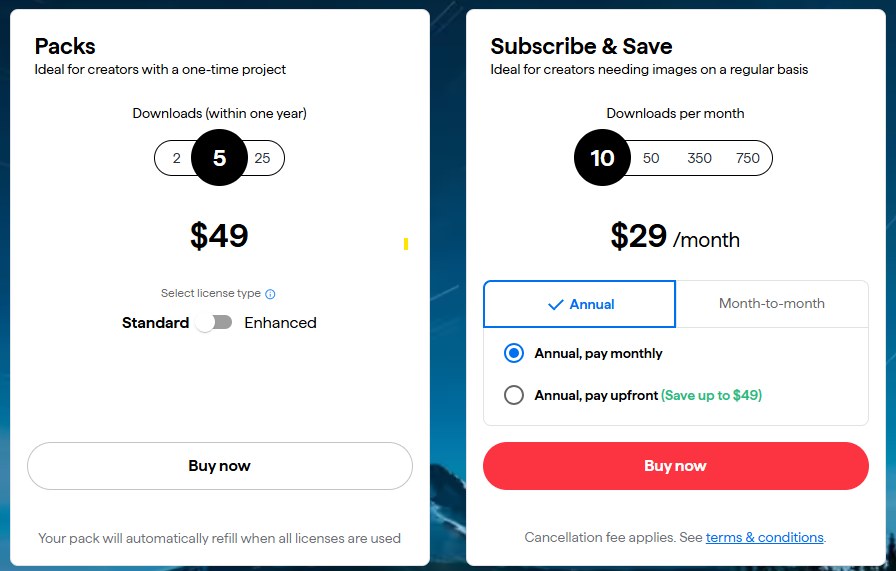
For APM plans, the complaint describes a bright “Buy now” flow that pushes monthly price and download counts, while auto-renewal and the early-cancel charge sit in weaker type — sometimes only as “Cancellation fee applies. See terms & conditions”:
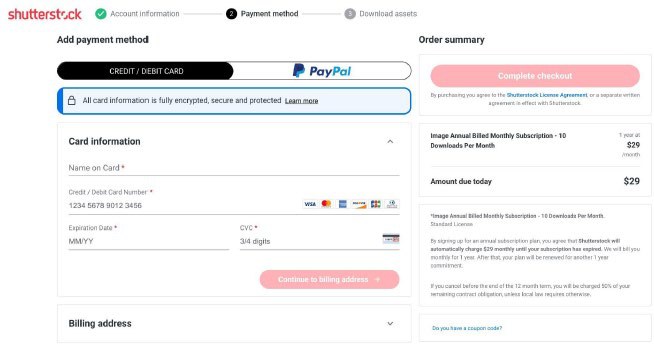
On the payment step, the FTC says material terms still failed to appear clearly and conspicuously before or beside the final checkout button. Fine print quoted in the complaint spells out monthly billing for a year, another year of commitment on renewal, and — if you leave early — 50% of the remaining contract obligation:
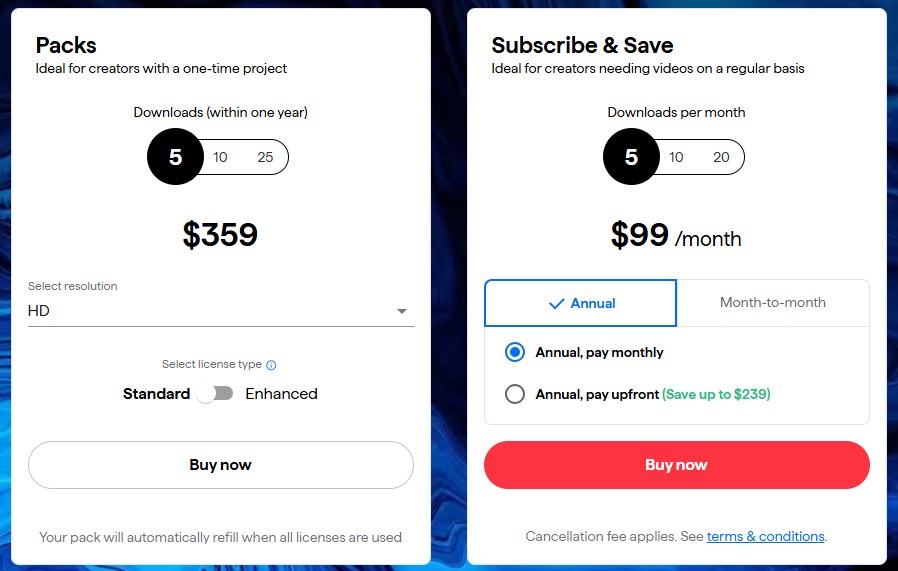
The “one-time project” angle is sharper. Marketing copy in the complaint calls packs “Best for a one-time project” and “No commitment,” yet the FTC alleges packs could auto-renew after a year (before early 2024) and, later, auto-refill when the last download was used — often discovered only on a bank statement:

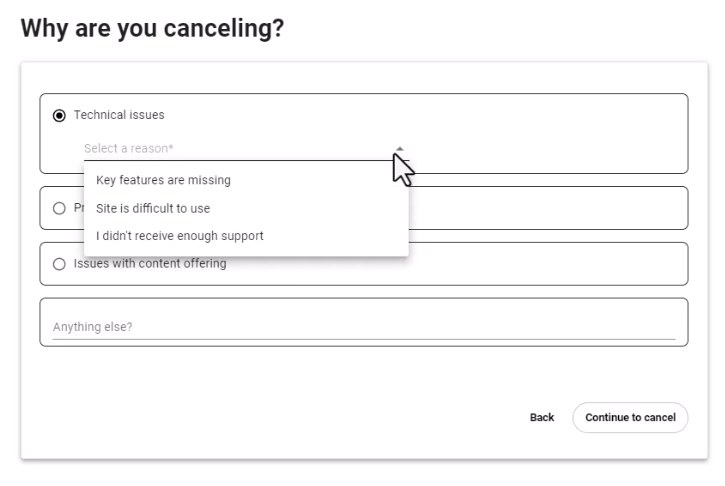
Cancellation, on the FTC’s account, was not a single click. Before 2024, early cancel often meant phone, chat or email; wrong support numbers appeared in Terms of Service; and paying the early-termination fee could require extra emails or timed payment links. Even after an online path arrived, the complaint describes an eight-screen maze that starts with “Cancel plan” but does not actually cancel until much later — including forced survey steps:
Internal notes cited by the FTC say staff knew customers were “locking” into annual commitments they may not have understood and that the funnel was not telling people about the cancel fee. Those are allegations and quoted employee remarks in a civil case, not a criminal conviction.
If you bought a “one-time” pack or an APM plan and later saw renewals, refills or a cancel fee you did not expect, keep the checkout screenshots and the statement lines. Dispute unauthorised charges with your card issuer or PayPal, and use Get help. Treat cold “we can claw it back for a fee” pitches as a second risk — Recovery.
Related reading: the JustAnswer hidden-subscription complaint and the Genesis Tech subscription playbook.
This article is for general information only. It is not legal or financial advice. Details change. If you have lost money, contact your bank or card issuer and use the routes on the help pages.