When the US Federal Trade Commission (FTC) sued the companies behind Wisey, PDF Guru and several other apps in 2026, the filing did not treat them as unrelated accidents. It described a common enterprise the agency links to Genesis Tech: a portfolio of consumer apps that, on the FTC’s account, share the same negative-option playbook even when the branding changes.
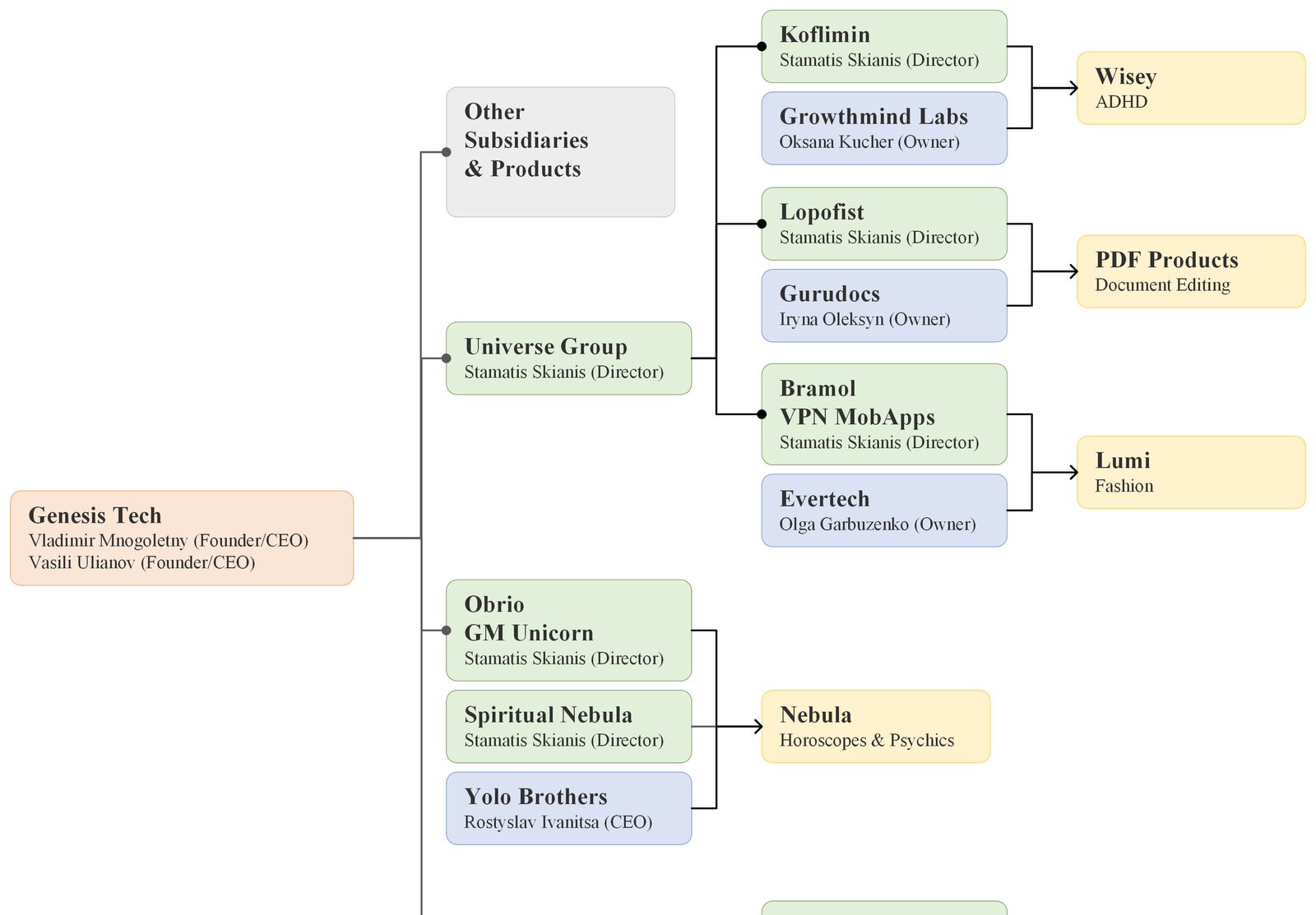
Attachment A to the complaint is an organisational chart. It places Genesis Tech at the top and fans out into product lanes — ADHD (Wisey), document editing (PDF products), fashion (Lumi), horoscopes (Nebula) and fitness/nutrition apps — each tied to a mix of overseas and Delaware entities:
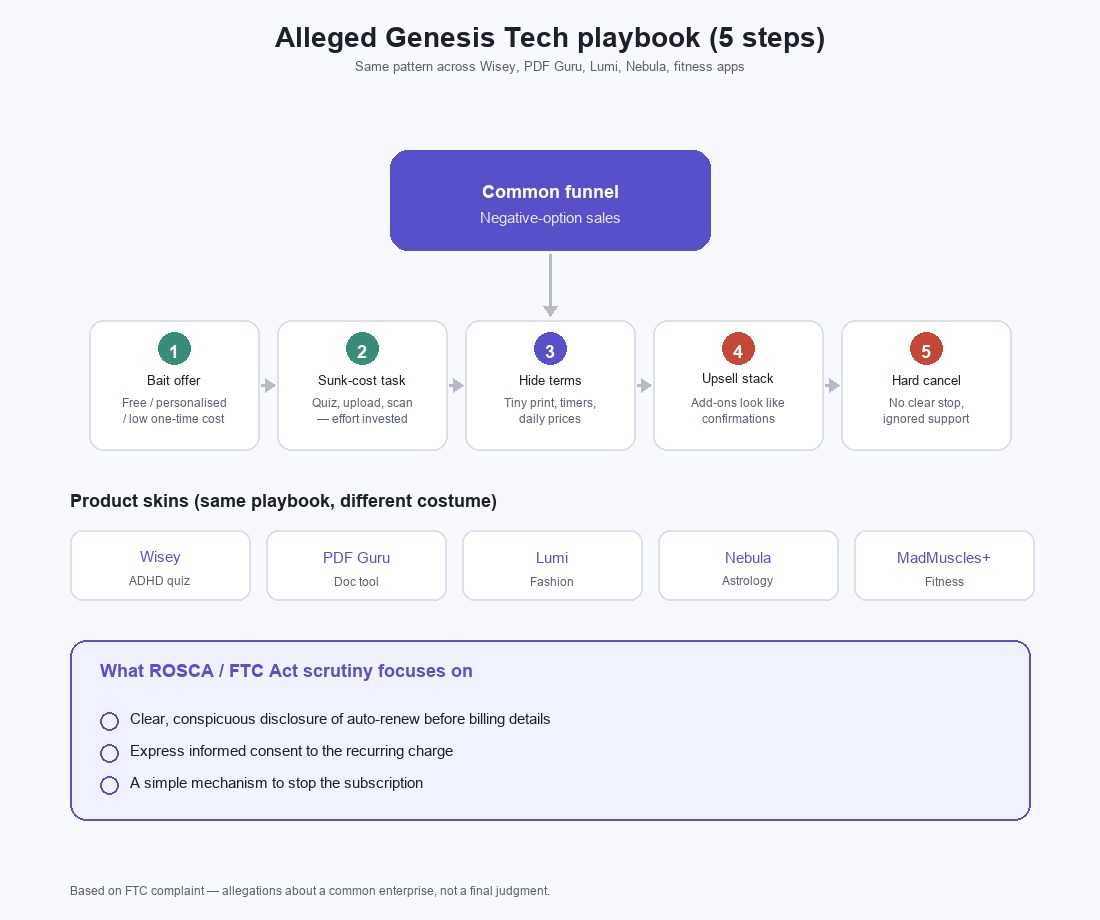
The pattern the FTC alleges is easy to recognise once you have seen two examples. First, advertise something personalised or free. Second, pull the user into a sunk-cost task — a quiz, a palm scan, an uploaded PDF — so quitting feels wasteful. Third, show a low headline price, daily rates, countdown timers or money-back badges while auto-renew terms sit in grey microcopy. Fourth, add upsells that look like confirmations. Fifth, make cancellation slow, opaque or ineffective:
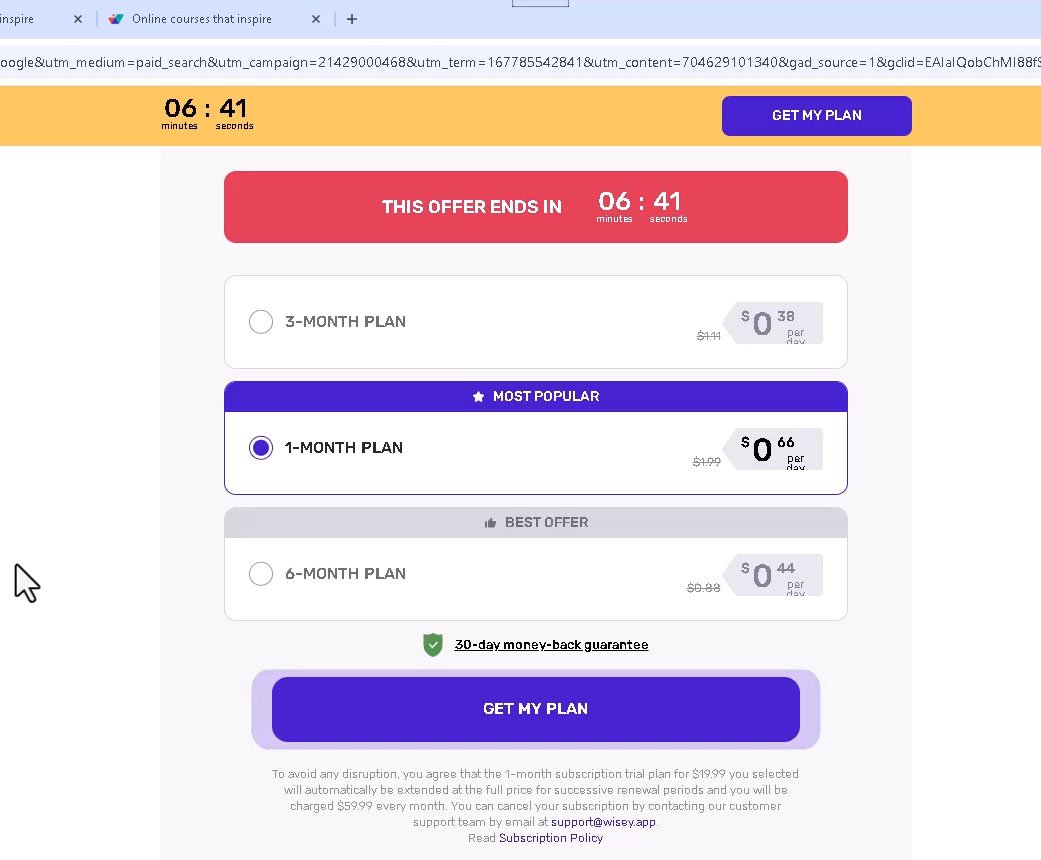
Wisey is the quiz version. Ads sell an ADHD test; checkout can put $19.99 in the spotlight while fine print points to $59.99 monthly renewals and email-only cancel routes:
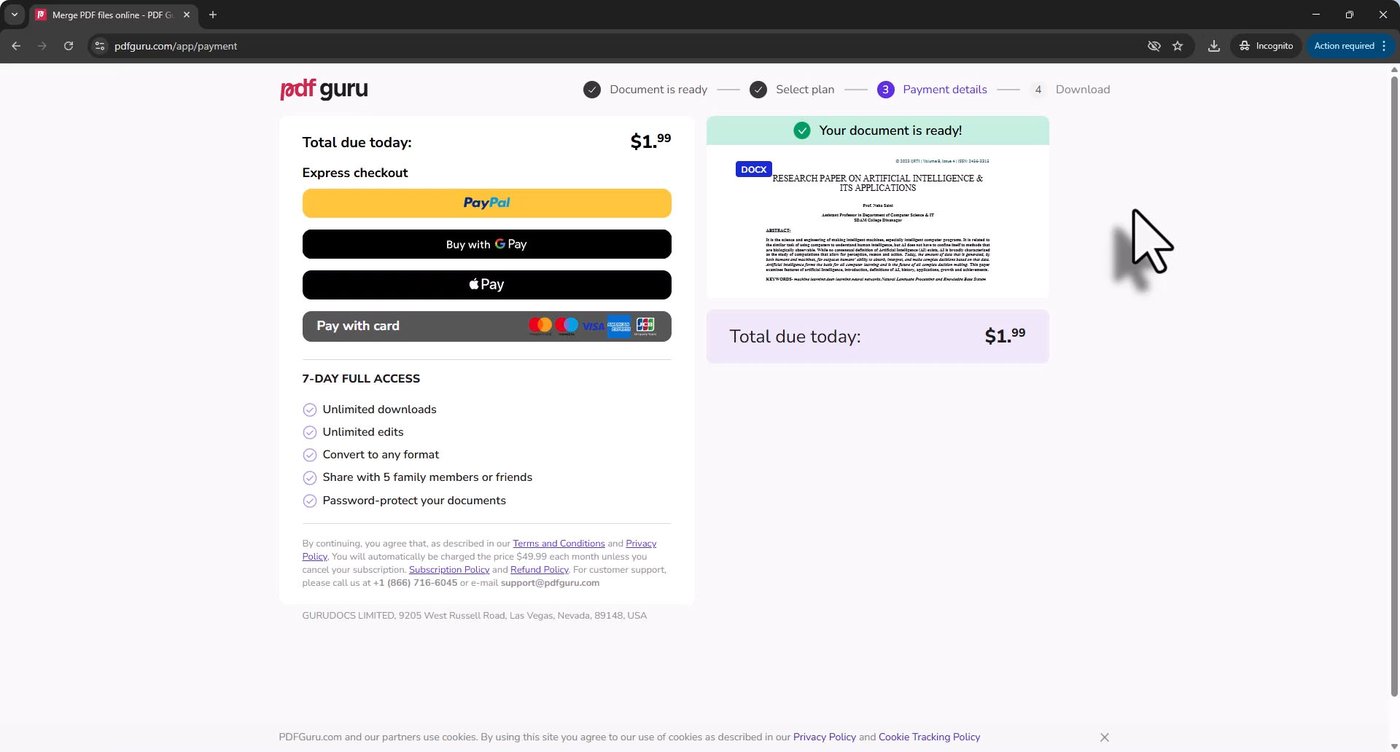
PDF Guru is the utility version. Edit first, pay later; “Total due today” around $1.99 sits next to small text about roughly $49.99 a month:
The same complaint walks through Lumi (fashion quizzes), Nebula (astrology offers) and MadMuscles / Harna / Unimeal-style fitness funnels with similar timers, plan cards and buried continuity language. Across those five product families, the FTC says global revenue ran into the hundreds of millions; linked PayPal volume for the wider enterprise is alleged to have approached $700 million in one twelve-month window. Shell companies and fresh merchant accounts, the agency claims, helped the operation keep processing after complaints and processor warnings.
Legally the FTC relies on Section 5 of the FTC Act and the Restore Online Shoppers’ Confidence Act (ROSCA): clear disclosure of negative-option terms, express informed consent before charging, and a simple way to stop recurring bills. Courts in the Northern District of California entered temporary and preliminary relief in the case; that freezes conduct while litigation continues — it is not the same as a final judgment on every allegation.
For readers, the practical test is simpler than the org chart. Before you enter a card for a “$1 tool” or a “7-day plan”, scroll the entire page, read anything under the main button, and search the merchant name plus “subscription” or “FTC”. If money already left the account, dispute it and use Get help. Treat unsolicited “we can claw it back for a fee” pitches as a second risk — Recovery.
Related reading on this site: the Wisey ADHD subscription complaint and the PDF Guru hidden-subscription write-up.
This article is for general information only. It is not legal or financial advice. Details change. If you have lost money, contact your bank or card issuer and use the routes on the help pages.