Tech support fraud is less a single brand than a playbook. Something on the screen or the phone claims your computer is infected, your accounts are hijacked, or a subscription just charged you hundreds. Call this number now. The next step is almost always remote-access software — AnyDesk, TeamViewer or a similar tool — so the caller can “scan” the machine. The Federal Trade Commission (FTC) has said for years that real security warnings do not ask you to phone a number from a pop-up, and that genuine firms do not cold-call you into handing over the keyboard.
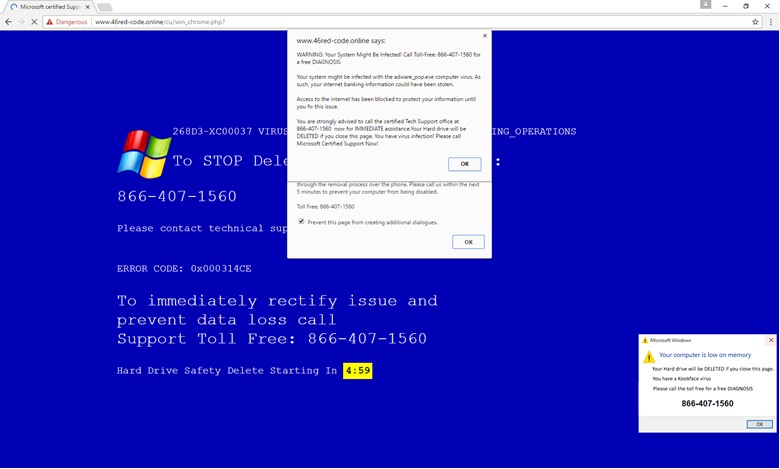
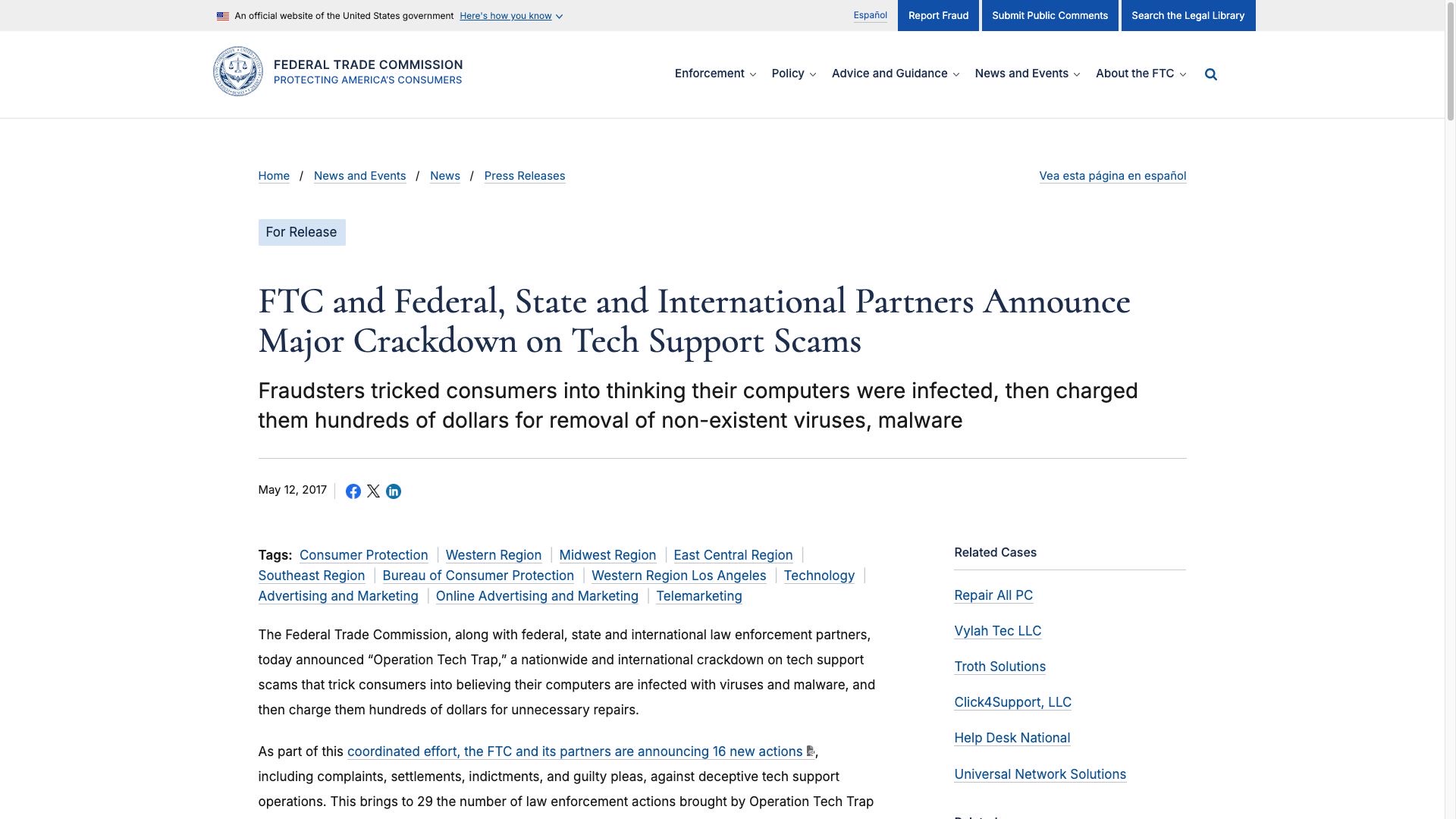
Once they can see your desktop, the theatre begins: fake virus counts, swollen “refunds,” or a claim that your name is tied to money laundering. That is when the script may jump to a supposed government helper who wants cash withdrawn, gold bought, or money moved to a “safe” account. The FTC is explicit: agencies do not tell you to protect funds by shipping cash or buying bullion for a courier. Payment is pushed toward gift cards, wires, crypto or payment apps because those routes are hard to reverse.
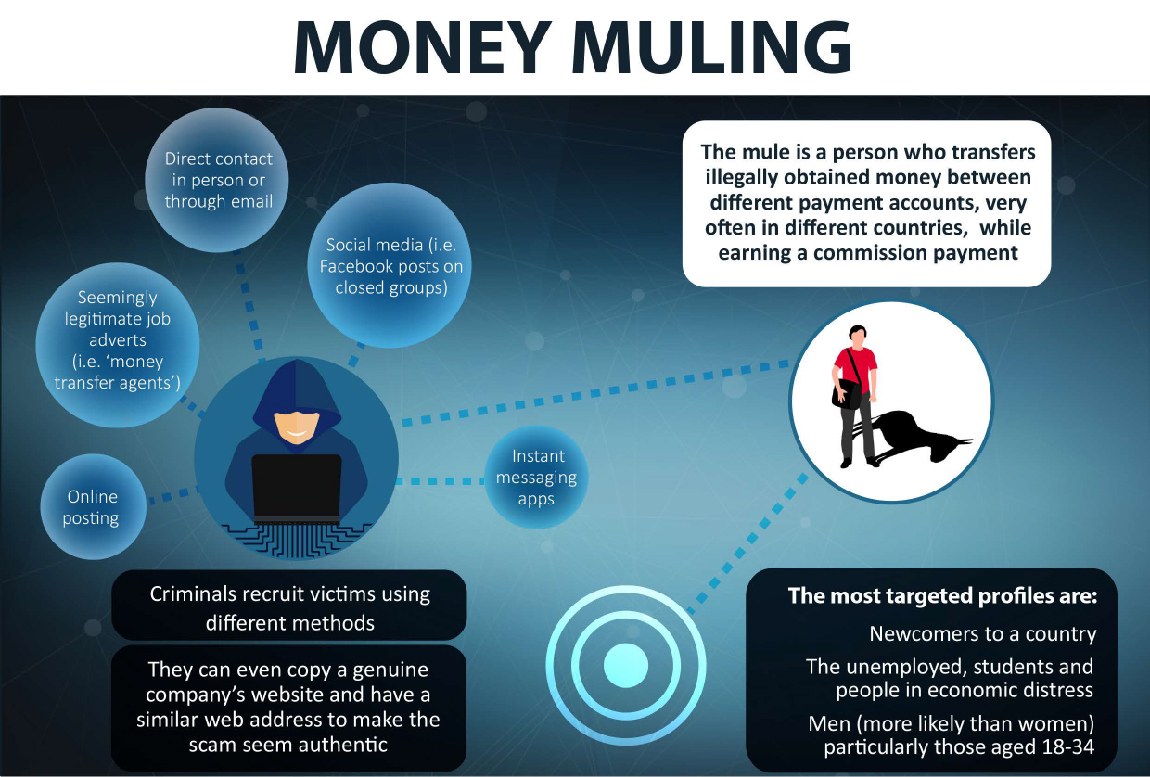
Hang up. Close the browser tab. Do not install remote tools for someone who contacted you first. If you already granted access, end the session, take the machine offline, change passwords from a clean device, and tell your bank the same day. Update security software yourself or with a person you trust in person. Related refund-and-mule hand-offs are covered in Fake Amazon refunds, remote access, then cash or a Bitcoin ATM.
If you were hit, start at Get help. Anyone offering paid “removal” of a scare you already paid for is often Fake recovery.
This article is for general information only. It is not legal or financial advice. Details change. If you have lost money, contact your bank or card issuer and use the routes on the help pages.