In the last week of October 2026, a tidy story went viral: researchers used AI to rip ads and tracking out of living-room televisions; one probe of a Samsung set “exposed total surveillance”; OpenAI banned an account; Anthropic quietly blocked the tool Reverse Engineer Anything (REA) and kneecapped Claude Opus 5.5 for anything that looked like reverse engineering.
Parts of that story are true. Important parts are not. For a site that covers fraud and digital trust, the useful question is not “how do I force a chatbot past a filter.” It is: what does your TV actually collect, which claims are evidence, and who will try to sell you a fake fix once the panic peaks?
Why this landed in the scam-and-privacy lane
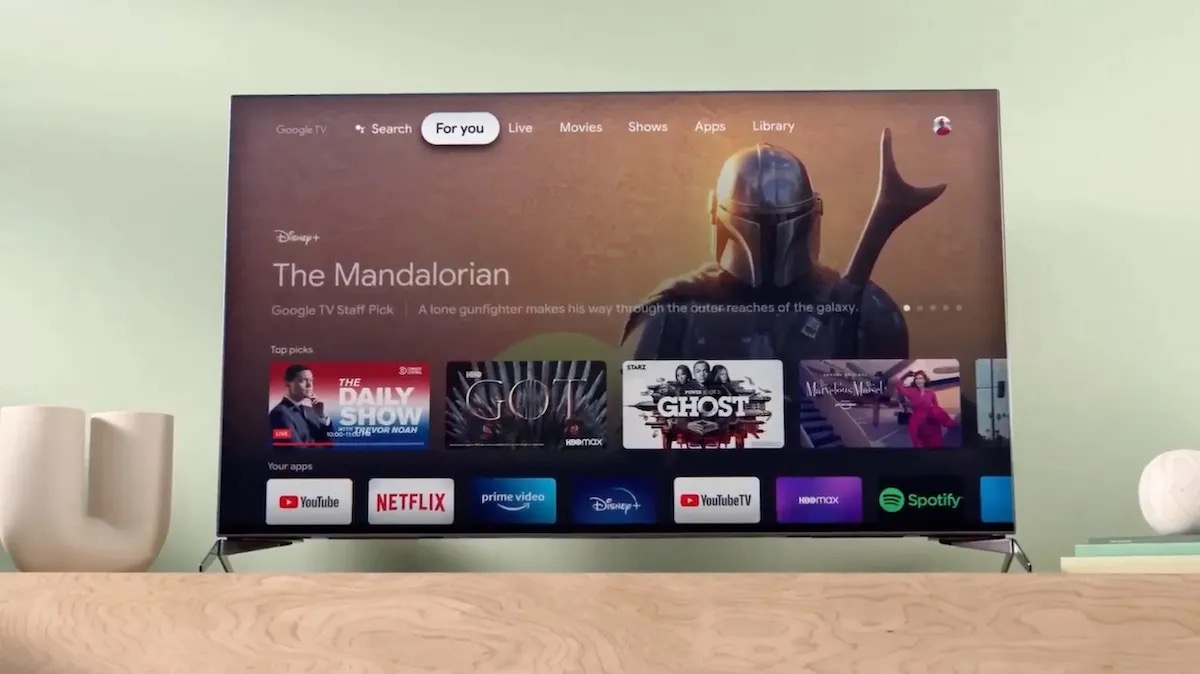
Smart TVs sit in the same household trust gap as banking apps and “support” pop-ups. You paid for a screen. The vendor also sold your attention and viewing habits into an ad market. When that bargain feels unfair, people look for shortcuts: privacy toggles, a “dumb TV” mode, a GitHub script, an AI agent that promises to clean the set.
That hunger is rational. It is also where urgency, jargon and paid “cleanup” offers show up — the same emotional pattern as tech-support and recovery scams. Viral RE posts are rocket fuel for anyone selling a remote session, a “Samsung spyware remover,” or a crypto fee to “debloat your TV safely.”
Keep that frame while reading the AI drama.
What actually happened with Claude and REA
Confirmed: Claude Opus 5.5 (launched 22 September 2026) ships with conservative cybersecurity safeguards. Anthropic has said publicly that generally available models block most cyber work, and that higher-risk sessions are re-routed or interrupted. Users doing binary analysis, firmware work, or agent-driven decompilation — including through tools like REA — report mid-stream refusals and “safeguards flagged this session” errors. That pattern was already visible in September and early October, before the late-October viral posts.
Not confirmed: that Anthropic “blocked REA” as a named product after a Samsung TV story; that a single Oct 21–23 switch flipped the filters overnight; or that Claude bans the letters “REA.” Independent checks (including Mavday’s claim-vs-evidence write-up) found no Anthropic announcement, changelog entry or policy line that names REA. The tool still runs on the user’s machine; what fails is often the model conversation, when classifiers treat the session as restricted cyber work.
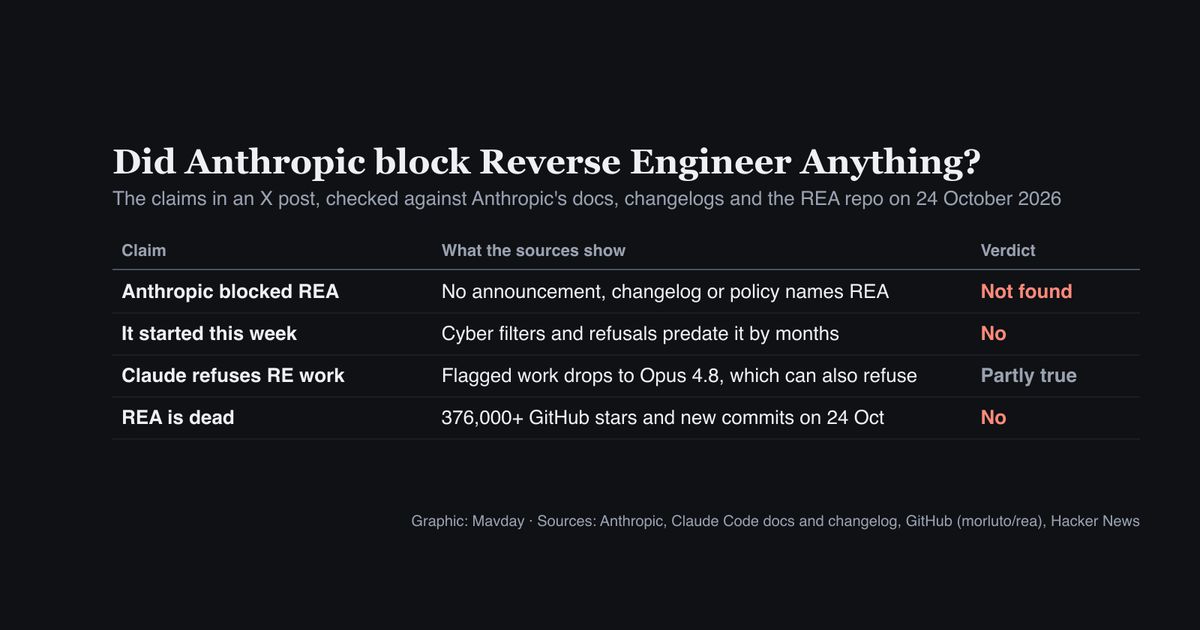
Also confirmed on Anthropic’s side: on 6 October 2026 the company expanded its Cyber Verification Program — a vetted path for security professionals who need fewer blocks — and repeated that public models keep conservative cyber safeguards. That is a policy story about dual-use capability, not a secret DMCA phone call timed to one Twitter thread.
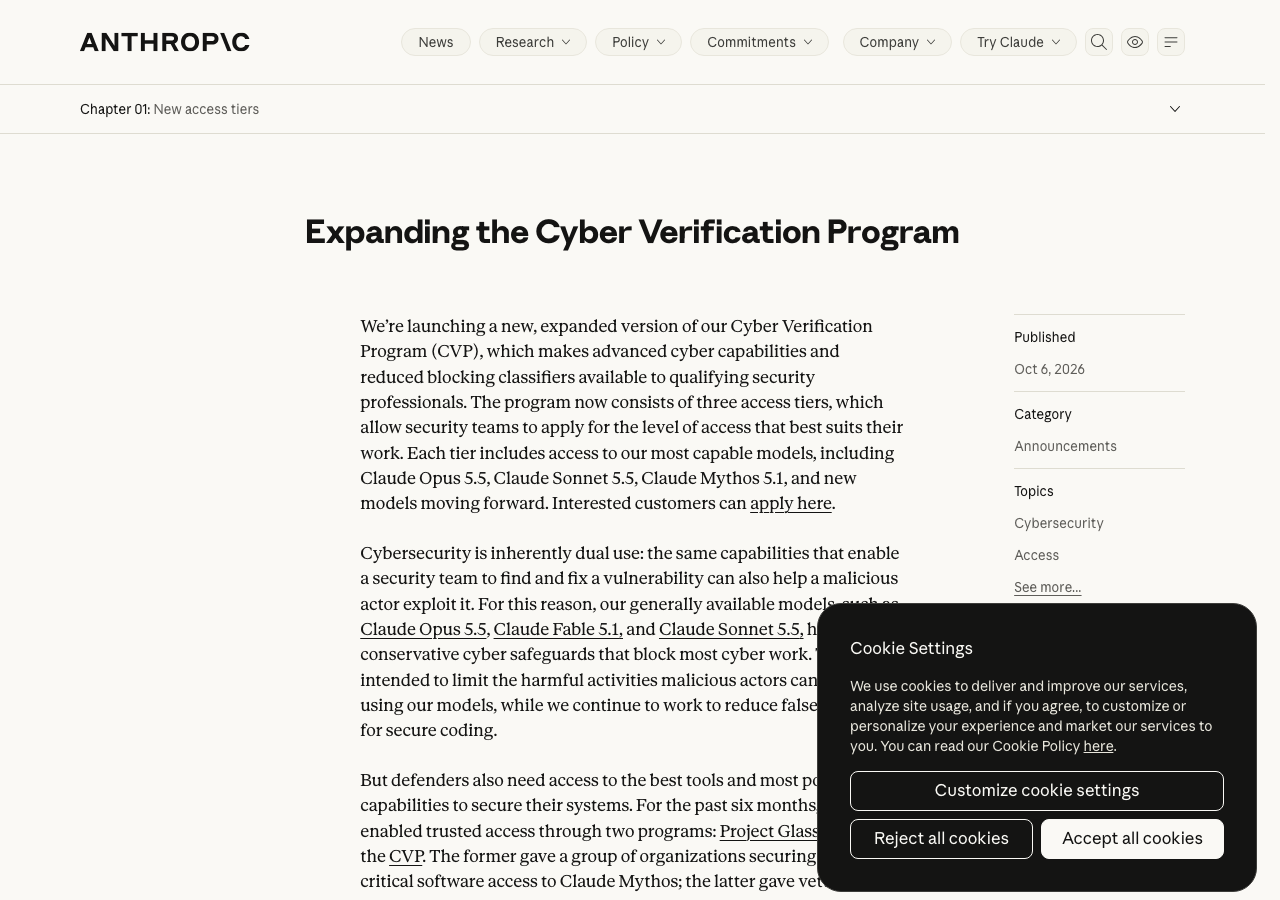
REA itself became a media object in mid-October: open-source glue between coding agents and classic reverse-engineering tooling, covered by outlets such as 404 Media. Viral fame made every Claude refusal feel like a targeted ban. Correlation is not a product kill-switch.
The smart-TV wave that made the story feel personal
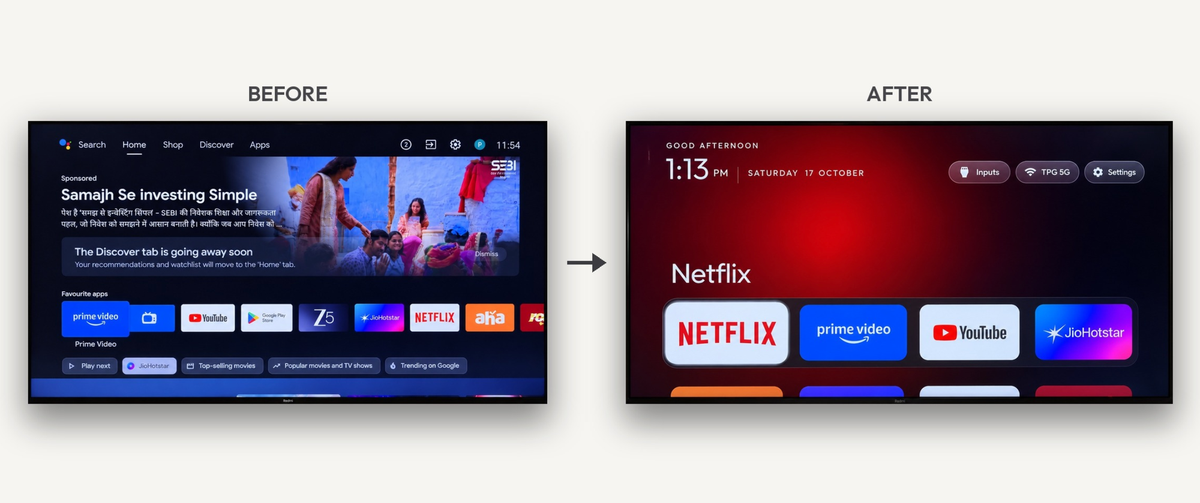
Separate from REA, owners started asking coding agents to strip ads, preinstalled apps and telemetry from sets they already own. TechCrunch, Decrypt, XDA and others covered that wave around 19–21 October. Projects such as CleanYourTV grew out of “I asked an agent to clean my parents’ TV” posts. Some people reported Claude refusing to help with rooting or deep firmware work while other agents continued.
That matters for consumers even if you never open a decompiler:
- It shows how angry people are about ad-stuffed, tracking-heavy living-room devices.
- It shows how fast “I fixed my own hardware” stories travel — and how quickly they get exaggerated into “every TV is a secret spy.”
- It creates a services market: strangers offering to “remove Samsung spyware” for a fee, often with remote access. That is a classic scam shape, regardless of whether some TVs really over-collect data.
Treat “AI cleaned my TV” posts as anecdotes, not as a warranty. Changing system packages can brick a set, void support, or break updates. We are not publishing how-to steps for firmware work here.
Samsung, tracking, and what is already on the public record
Long before October 2026 memes, smart-TV privacy was a documented consumer-protection fight — not a rumor mill.
In Texas, the attorney general sued Samsung over Automatic Content Recognition (ACR) and related viewing-data practices, alleging dark patterns, opaque consent and collection that consumers did not meaningfully understand. The state later announced an agreement requiring clearer, affirmative consent before collecting that viewing data from Texas consumers, and easier ways to refuse or withdraw. Court materials described ACR as capturing what is on screen at a fine grain for the advertising stack.
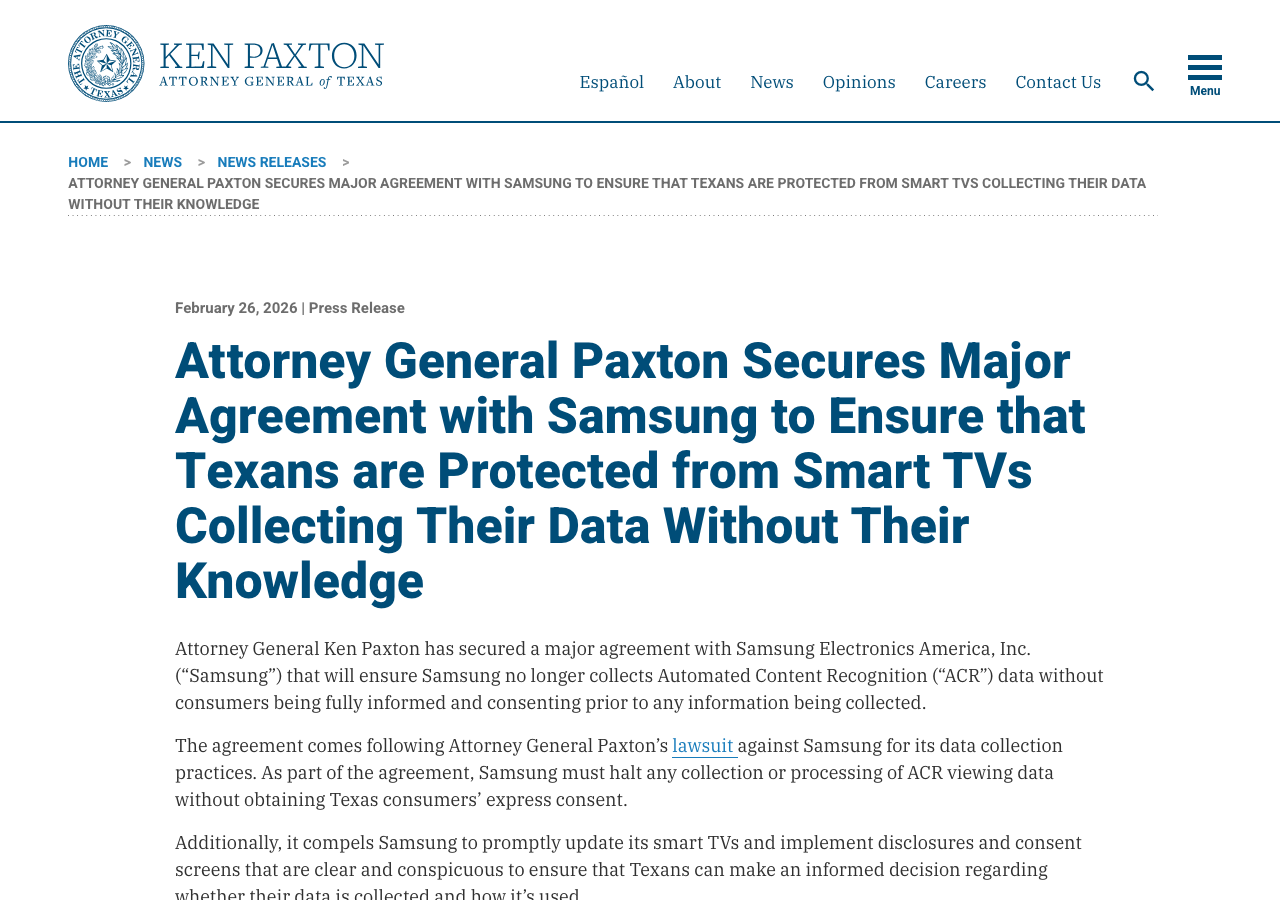
That record is enough to justify skepticism toward “just a TV” marketing. It does not automatically prove every viral claim about always-on microphones, baby-cry classifiers, or “400 partners” on one rooted 2025 set. One researcher’s teardown can be directionally important and still need replication; some “listening” features also ship as marketed pet or family alerts. Separate fact from theatre.
Older EPIC/FTC-era complaints about voice-recognition data on Smart TVs are another reminder: microphone and cloud processing questions are not new. Read the privacy menus. Assume defaults favor the ad business until you prove otherwise.
How viral narratives get ahead of the evidence
The late-October package often stitched these beats together as one conspiracy:
- A viral “I cleaned my parents’ TV” post.
- A researcher’s Samsung firmware thread with dramatic surveillance language.
- An alleged OpenAI ban for “cyber abuse.”
- Anthropic “quietly” killing REA / Opus reverse engineering within hours.
Item 1 happened in public media. Item 2 is a contested research claim until independently checked. Item 3, where reported, rests on the researcher’s own account and screenshots — treat it as a claim. Item 4 fails the timeline test: Opus 5.5 cyber routing was announced at launch in September; Anthropic’s “conservative safeguards” language was public by early October; refusal noise in Claude Code issues does not show a clean spike that proves a secret 42-hour retaliation.
Scam-watch habit: when a thread says “they silenced the truth,” ask what is documented on a company blog, a court docket or a primary screenshot — and what is inference. The same habit stops romance-scam and recovery-room stories from hardening into false certainty.
What this means if you are not a reverse engineer
You do not need REA to reduce risk on a smart TV. You need boring controls and a refusal to pay strangers who weaponize the headline.
Do this first (no special tools):
- Privacy and ads menus — turn off ACR / viewing-data / interest-based ads / automatic content recognition where the set allows it. Manufacturers rename these often; search the settings for “privacy,” “advertising,” “viewing information,” “smart hub,” “voice.”
- Microphone and camera — disable voice assistants you do not use; cover or disconnect cameras; check whether a soundbar mic stays live.
- Accounts — use the minimum sign-ins required; skip “optional” analytics and personalization packs during setup.
- Network — put the TV on a guest or IoT VLAN if you can; it still needs updates, but lateral movement and casual scanning get harder.
- External streamer — a cheap stick or console you control can be easier to lock down than the TV’s own app layer. Use the set as a panel when that fits your household.
- Updates — stay patched; “debloat” scripts that block updates can trade privacy theatre for malware exposure later.
Do not do this:
- Do not grant remote access (AnyDesk, TeamViewer, Quick Assist, “TV technician” sessions) to someone who messaged you after a spyware viral post.
- Do not pay crypto, gift cards or wires for “Samsung spyware removal.”
- Do not install random “TV cleaner” APKs from Telegram or drive links.
- Do not treat a chatbot refusal as proof that your particular set is uniquely malicious — or that a paid bypass vendor is your only hope.
If a pop-up on the TV itself tells you to call a number or “activate” on a non-official site, that is a different, well-documented scam path — see our note on Prime Video / smart-TV activation traps.
For readers who follow the AI-policy fight
Anthropic’s public position is dual-use: the same skills that help defenders analyze malware can help attackers. Their answer for general users is heavy blocking; their answer for vetted defenders is the Cyber Verification Program. Whether that balance is right is a policy argument. What it is not, on present evidence, is a surgical strike that “deleted REA” the week Samsung trends.
Open-source and local models will keep being discussed as alternatives by people who want fewer vendor filters. That migration story is real in developer communities. It is outside the scope of consumer scam prevention — and we will not publish prompts, jailbreaks or filter-evasion tips. Anthropic’s usage rules also forbid bypassing their safeguards; repeating bypass recipes would help the wrong audience.
If you do security research on hardware you own, use primary documentation, vendor disclosure programs and counsel where needed — not a viral thread’s legal theory about DMCA pressure.
Bottom line
| Claim floating around | Better reading |
|---|---|
| “Anthropic blocked REA after Samsunggate.” | Refusals are real; REA-as-banned-product is not evidenced. Safeguards predate the viral week. |
| “Opus 5.5 suddenly can’t reverse engineer.” | Cyber routing/safeguards were part of the Sept–Oct product story. False positives hit legitimate work. |
| “Smart TVs are secretly spyware; AI proved it overnight.” | Viewing-data and consent fights are real (see Texas/Samsung). Individual teardown claims need care. |
| “Pay someone to remove the spyware now.” | High scam risk. Use settings, network hygiene and official support channels. |
The living-room screen is a tracking surface and an ad surface. That was true before Claude, REA or any October thread. Use the panic to tighten privacy defaults, not to hand your card and remote desktop to a stranger who learned the word “firmware” yesterday.
If you already paid or gave remote access after a “TV spyware” pitch, disconnect the session, change passwords from a clean device, tell your bank, and start at Get help. Anyone promising to claw the fee back for an upfront “investigation” charge: Fake recovery.
This article is for general information only. It is not legal advice. Product menus, policies and court outcomes change. Primary sources cited in the reporting above include Anthropic’s Cyber Verification Program announcement (6 Oct 2026), Texas Attorney General materials on Samsung Smart TV viewing data, and contemporary press coverage of smart-TV AI “debloat” and REA.