The request sounds helpful: a romance interest abroad cannot receive parcels, a new employer needs a “local receiving agent,” or a stranger online asks you to buy phones and tablets and ship them on. They may send a cheque for “expenses” or promise a cut of each box. The United States Postal Inspection Service (USPIS) calls the pattern reshipping: you receive goods bought with stolen cards or other fraud, then forward them — often with counterfeit postage — while believing you have a job or are doing a favour.
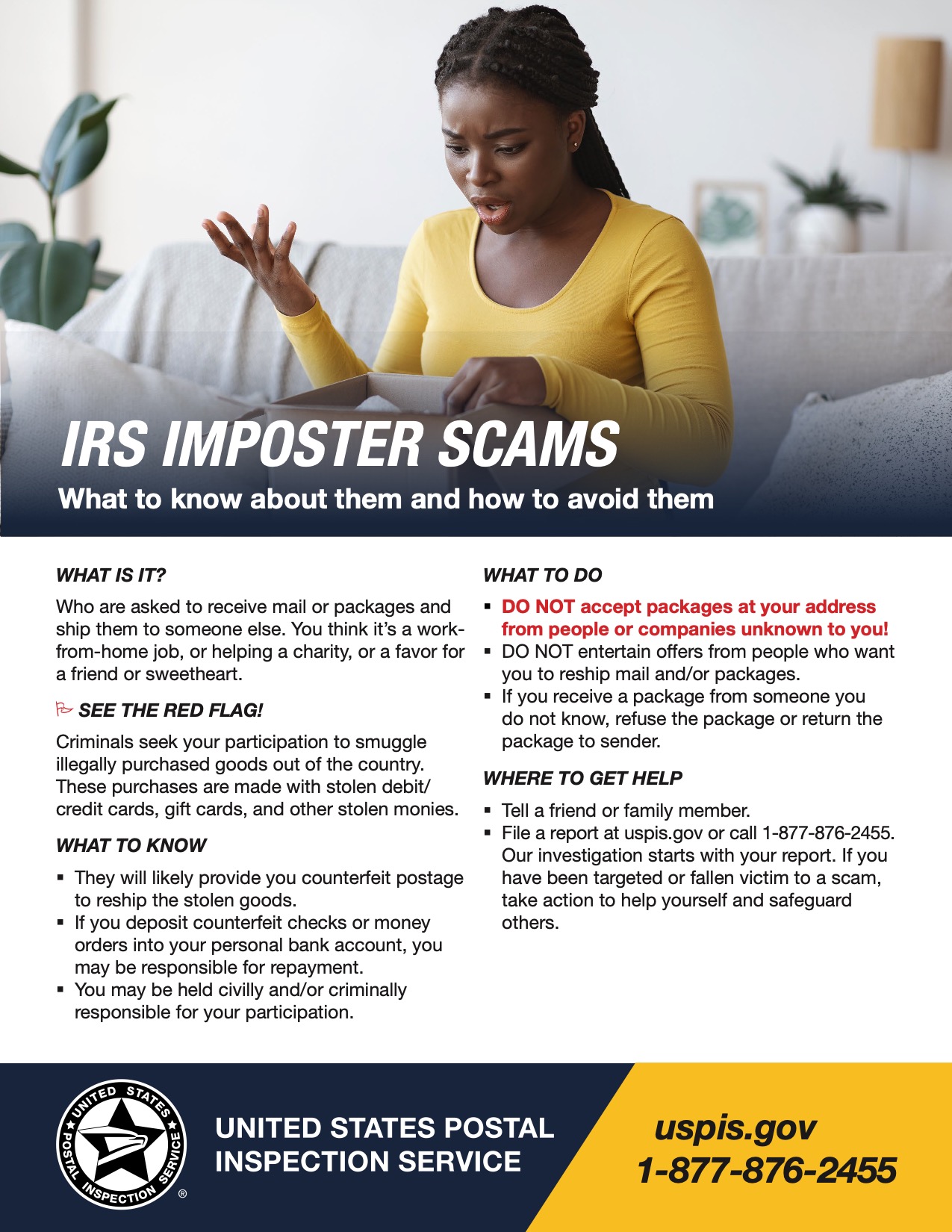
Once the retailers charge back, the debt and the investigation can land on the address that signed for the boxes. Europol’s money-mule campaigns make the same point in cash form: moving value for strangers — parcels or bank transfers — can make you part of a laundering chain even when the recruiter framed it as help. Online romance and fake job ads are both common entry points.
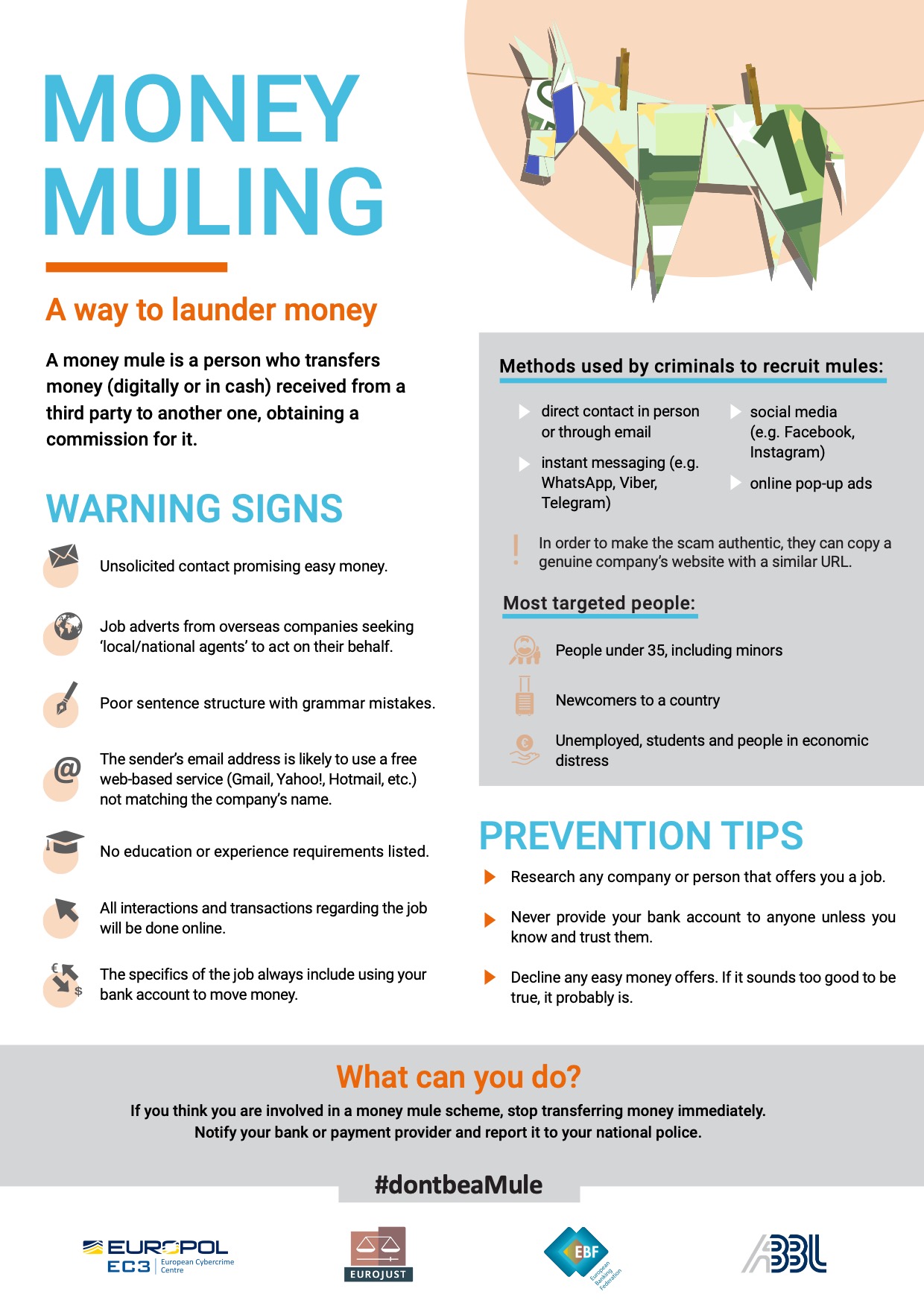
Do not buy electronics for people you only know online. Do not accept parcels at your door for “clients” you have never met. Refuse delivery or return to sender, block the recruiter, and tell your bank if a cheque or transfer was part of the pitch. Keep tracking numbers and chats if packages already arrived.
Report through the routes on Get help. Anyone selling a paid “clearance” of mule activity for an upfront fee is usually another scam — Fake recovery. For how refund calls feed the same mule economy, see Fake Amazon refunds, remote access, then cash or a Bitcoin ATM.
This article is for general information only. It is not legal or financial advice. Details change. If you have lost money, contact your bank or card issuer and use the routes on the help pages.