The ugly industry nickname pig butchering describes a long confidence game: someone builds a friendship or romance online, then walks the victim into a fake investment. The US Financial Crimes Enforcement Network (FinCEN) alert on the pattern, and later briefings from the Secret Service and the Commodity Futures Trading Commission (CFTC), describe the same arc — dating apps, “wrong number” texts or social media warmth, weeks of chat, then a tip about crypto, forex or metals trading that only works on their link.
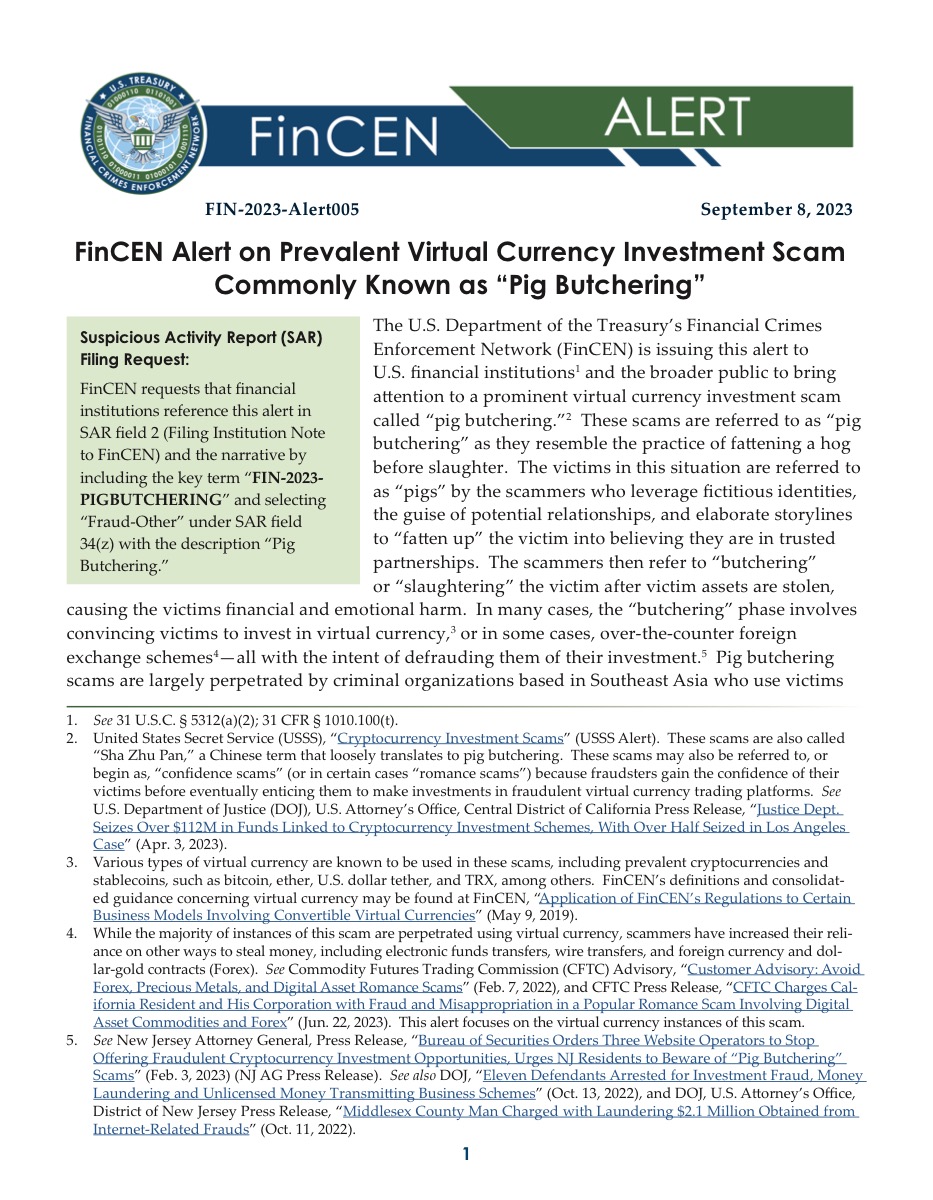
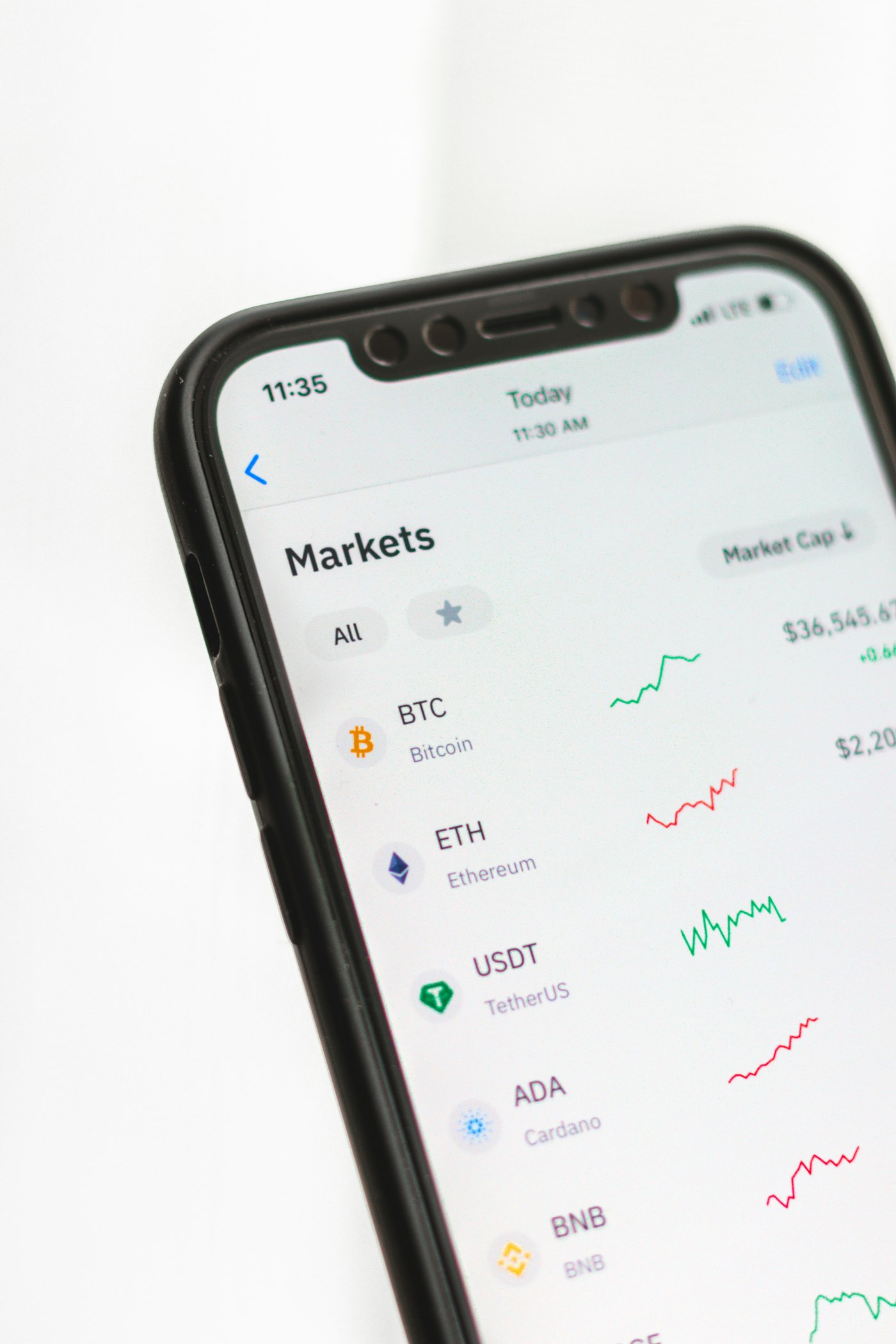
What makes it sticky is the emotional runway. The person is attentive, shares “wins”, sometimes shows small successful withdrawals, and frames deposits as a shared project rather than a cold sales call. California’s Department of Financial Protection and Innovation (DFPI) notes that the platforms can look polished and may even appear in app stores while displaying artificial gains. When you try to take real money out, the story flips to taxes, anti-money-laundering (AML) clearance or unlock fees. That is the butchering phase — not a regulatory hiccup.

We have covered the industrial scale of these losses before in Pig butchering and crypto losses; this piece is about the romance-first hinge. Reverse-search profile photos. Refuse remote-access tools. Treat any request to move savings into crypto “so we can trade together” as the moment the relationship ends, whatever the chat history says. If funds already left, stop depositing, keep the chat and transaction trail, contact your bank or exchange, and use Get help. Paid “recovery” of the painted balance is usually a second hit — Fake recovery.
This article is for general information only. It is not legal or financial advice. Details change. If you have lost money, contact your bank or card issuer and use the routes on the help pages.