MMM Global dressed itself as mutual aid: members “provided help” and later “got help”, often denominated in bitcoin. A 2020 study by Boshmaf and colleagues (ACM AsiaCCS), using BitcoinTalk profiles matched to addresses and BlockSci chain data, examined roughly 423,000 transactions across about 16,000 addresses. They describe a bootstrap–hyperoperation–collapse arc from September 2014, with peak daily circulation above $150 million before the scheme unravelled around late June 2016.
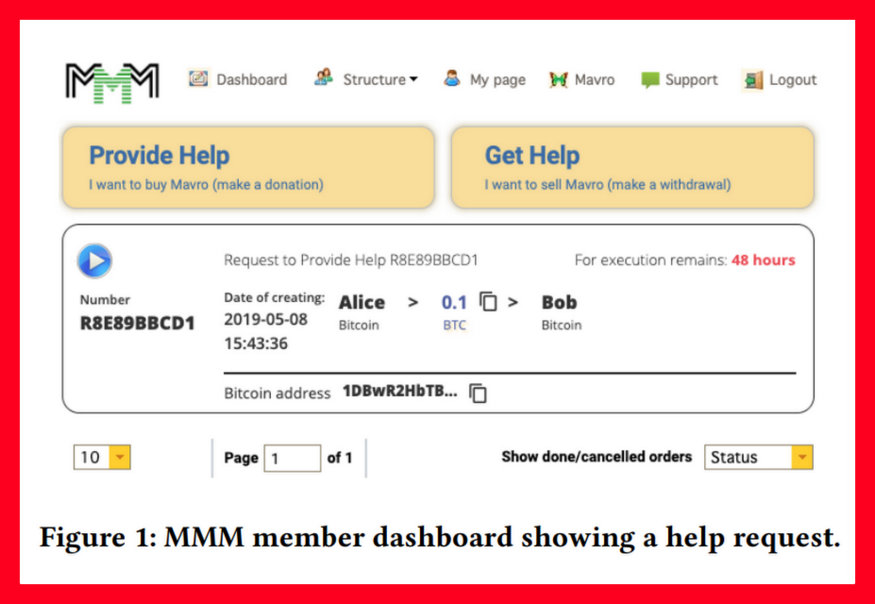
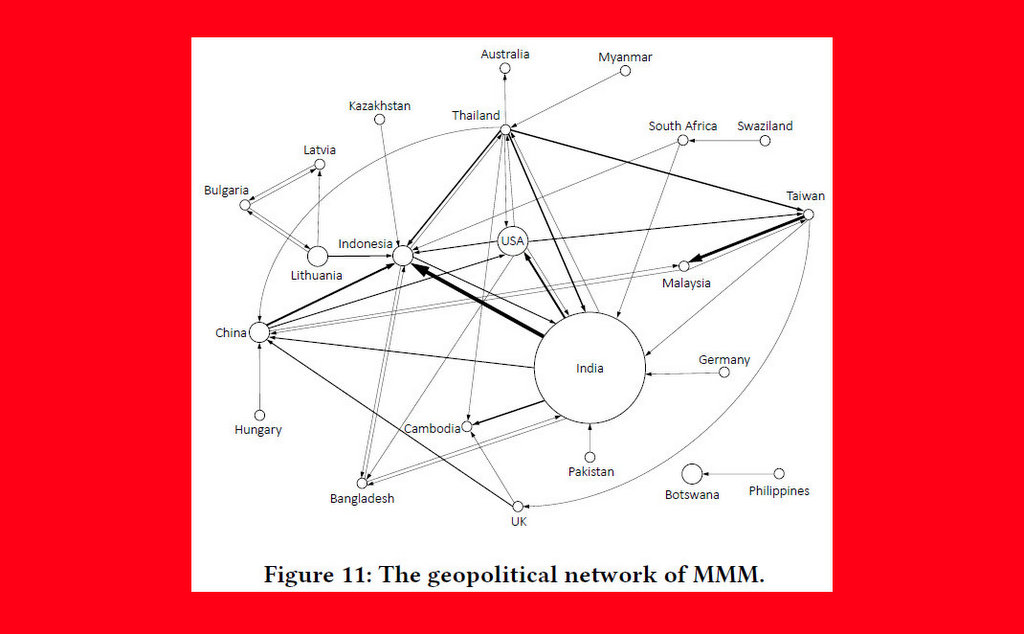
The economics match a classic zero-sum pyramid: one participant’s payout is another’s deposit. The paper reports extreme inequality (daily Gini above 0.9 at peaks), a rising share of members who never profited, and global reach across dozens of countries with highly asymmetric flows — India and Indonesia among the busiest pairs.
Today’s clones still sell “community funds”, “mavro”, or timed help queues. The tell is the same: returns that need a constant stream of new payers, pressure to recruit, and bitcoin addresses that outlive any customer-service chat. If a dashboard looks like a game and pays like a lottery funded by latecomers, walk away before the collapse phase needs a new name.
If something similar lands in your inbox, start at Get help. If the next pitch is “we can get the money back”, read Fake recovery first.
This article is for general information only. It is not legal or financial advice. Details change. If you have lost money, contact your bank or card issuer and use the routes on the help pages.