You post that you need a fence, shed, landscaping or a repair. A profile replies fast with a neat quote, polished photos of past jobs, and a request for a deposit via payment app “to book materials.” They may never visit the property. Or they drop a token amount of timber, invent delays, then stop answering. Consumer agencies and local police reports describe the same arc: marketplace or social ads, pressure for upfront money, then silence. Newsrooms have covered convictions where custom builds advertised on Marketplace took deposits from many households and never finished the work.

The Federal Trade Commission (FTC) groups this with home-improvement fraud more broadly: cash-only deals, high upfront payments, and pressure for an immediate yes are warning signs. Some places legally cap deposits; a stranger who wants most of the job paid before tools arrive is asking you to fund their exit. Impersonation versions also appear — messages that look like a known local firm but use a lookalike email and a deposit well above what that firm would ever take.
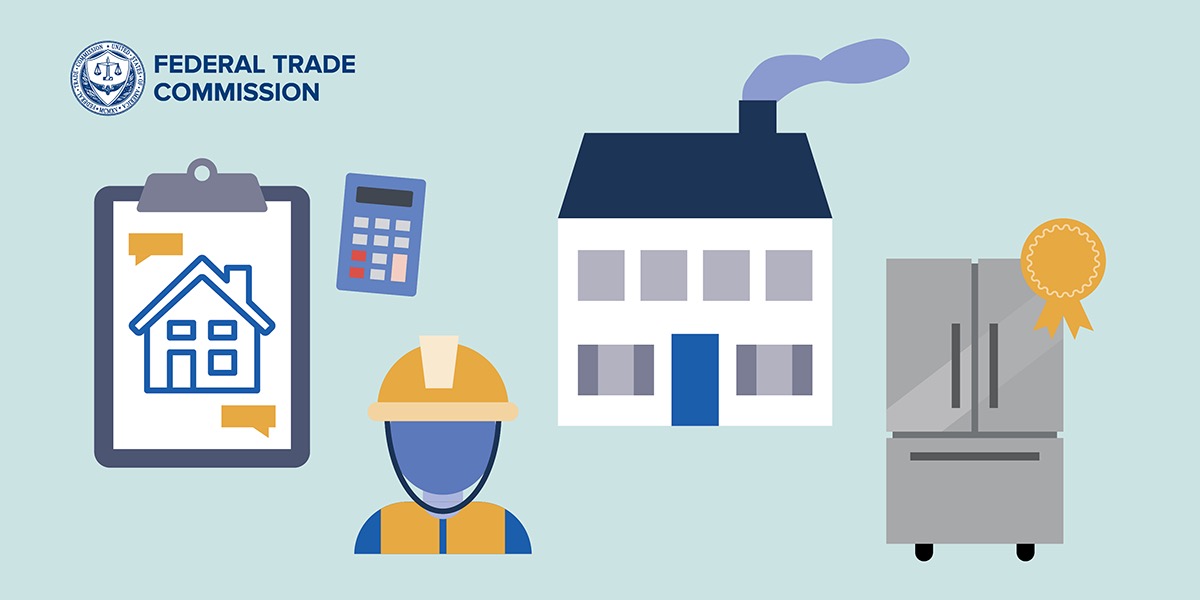
Get more than one written estimate. Confirm licences and insurance through channels you found yourself, not links in the chat. Meet on site before paying. Prefer staged payments after visible progress, and never send the full price up front. Search the name plus “scam” and “complaint.” If you already paid a deposit and the worker vanished, keep the chat, receipts and profile URL, tell your bank or payment app, and report the listing.
Use Get help. Cold offers to “chase” the tradesperson for another fee belong under Fake recovery.
This article is for general information only. It is not legal or financial advice. Details change. If you have lost money, contact your bank or card issuer and use the routes on the help pages.