You list something on Facebook Marketplace or a similar classifieds board. A buyer replies fast, agrees to your price, and insists on paying through Zelle, Venmo, Cash App or another peer-to-peer (P2P) tool. Moments later you get an email or text that looks like the payment brand: funds are “on hold”, your account needs a “business upgrade”, or the buyer “overpaid” a fee you must refund. Zelle’s own consumer guidance is blunt about this pattern — there is no account upgrade that releases a pending marketplace payment — and the US Federal Trade Commission (FTC) has warned sellers not to trust mobile-payment screenshots or unexpected “issue with your payment” stories from strangers.
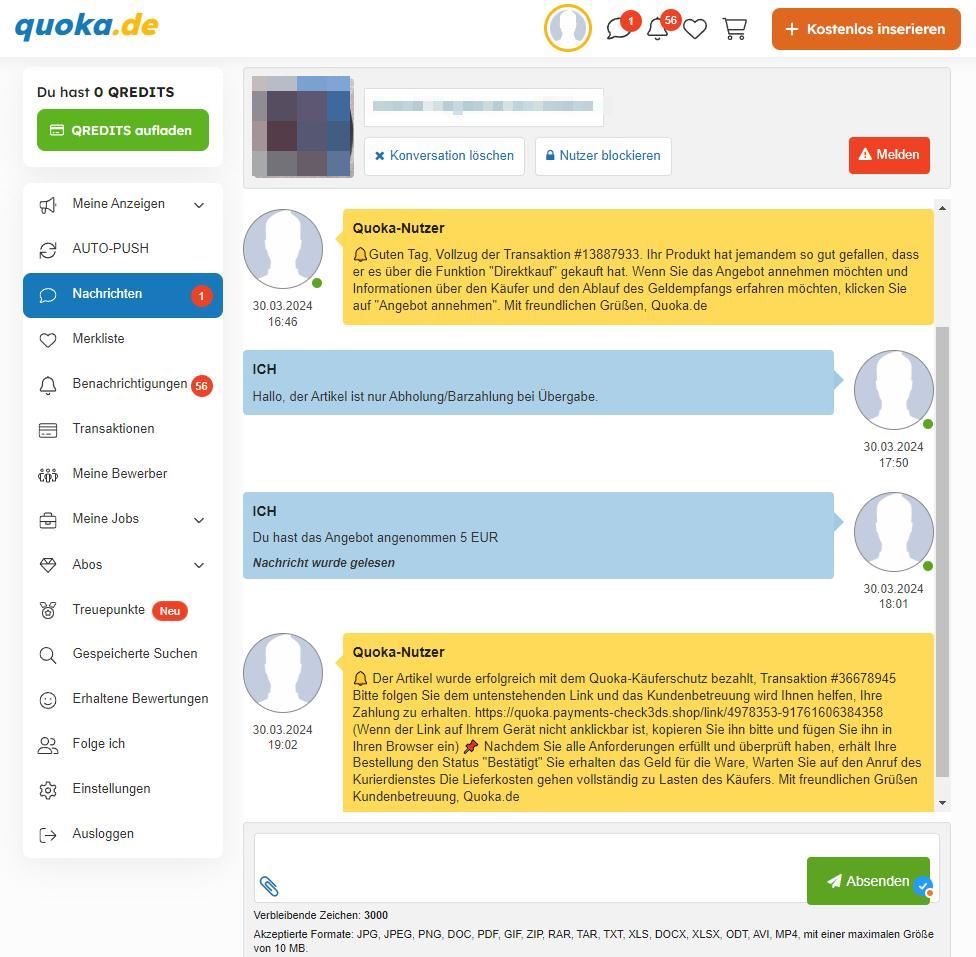
The theatre works because real P2P apps do send notifications, and banks sometimes put large transfers under review. Scammers copy that language. Better Business Bureau (BBB) Scam Tracker reports describe the same loop: a fake “business account” email, a screenshot of money leaving the buyer’s phone, then pressure to repay the “fee” the buyer supposedly covered for you. You never had a cleared balance in your own app. Meta’s Marketplace help pages say the same thing in plainer words — check the balance inside the real app, never trust a screenshot, and be wary of emails that ask you to upgrade or pay before you can accept money.
A short check beats a long dispute. Open Zelle, Venmo or your bank only through the app or site you already use — not through the message. If the money is not sitting in your balance, nothing cleared. Legitimate payment brands do not ask Marketplace sellers to wire, gift-card or crypto a “release fee”. Prefer meeting local buyers for cash on items that allow it, or stay inside the platform’s own checkout when it exists. Report the buyer on the marketplace and, if you already sent money, tell your bank or payment app the same day, then use the routes on Get help. Anyone who later offers to “unlock” the held payment for another fee is usually a second scam — Fake recovery.

This article is for general information only. It is not legal or financial advice. Details change. If you have lost money, contact your bank or card issuer and use the routes on the help pages.