A reader-shared contact under the name Igor Pasternak arrives the usual way: WhatsApp or a lookalike login page, screenshots of a “huge” exchange profit, then a request to top up a crypto wallet so the next trade can “unlock”. Later chapters in the same script often invent co-investors, a rushed partnership contract, or a sudden hedge-fund style desk — names such as a “Millennium” group appear in complaints — while the personal cabinet keeps painting numbers that never turn into a clean withdrawal.
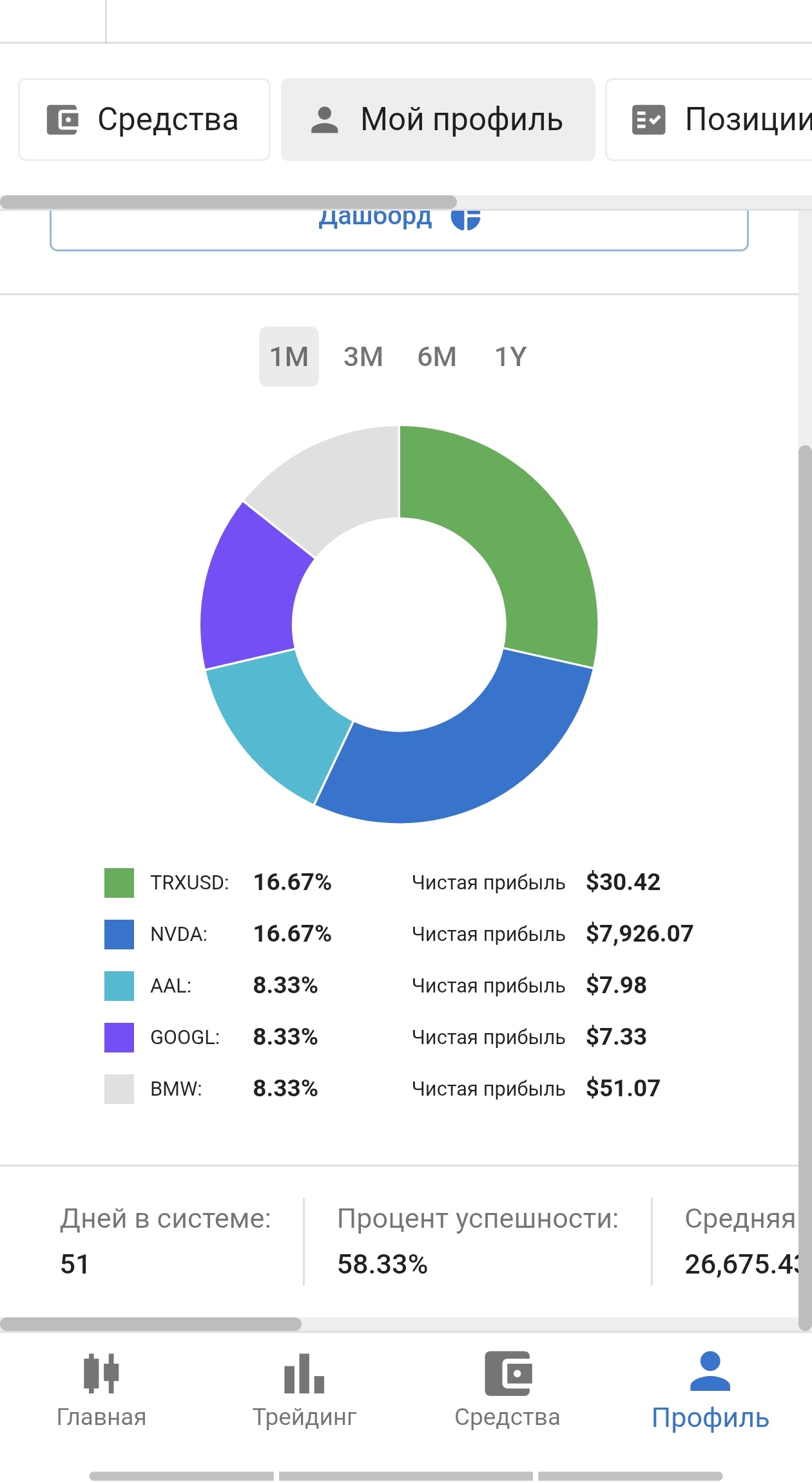
None of that needs a famous surname to work. The tell is the sequence. Real portfolio talk does not depend on you wiring more USDT after a stranger’s demo screen. Real contracts are not sprung on you after a few chat days with a +44 mobile and a mail domain that is not the exchange you thought you were using. If the dashboard profit is only visible inside their portal, treat it as stage scenery.
A quick check is enough: search the exact phone, email, and login host with the word “scam”; refuse any remote-access tool; and never send a seed phrase “for verification”. Paper gains that require a fresh deposit are not gains.
If this pattern matches something you’ve been offered, start at Get help. Read Fake recovery before you pay another fee to “release” a balance.
This article is for general information only. It is not legal or financial advice. Details change. If you have lost money, contact your bank or card issuer and use the routes on the help pages.