You list a car, a phone or furniture on a classifieds site. Someone messages quickly, cannot meet in person, and offers a cashier’s cheque, money order or “company” cheque for more than the asking price. The story is always urgent: a shipping agent needs the surplus, they mistyped the amount, or their office already cut the cheque. Deposit it, they say, then wire, gift-card or crypto the difference back. That pattern is the classic check-overpayment scam the Federal Trade Commission (FTC) has warned sellers about for years — including recent alerts aimed at people selling cars online.
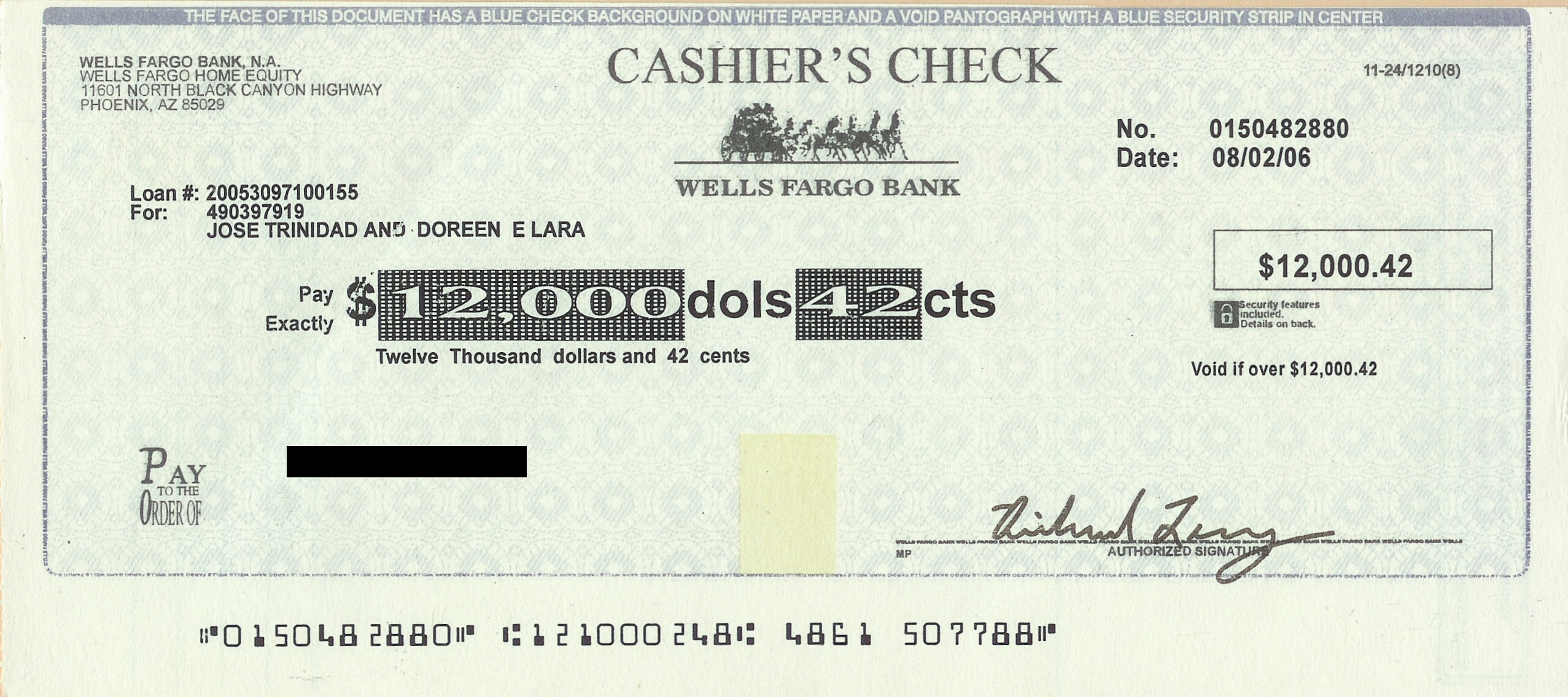
The paper can look excellent. Banks often have to make deposited funds available within a day or two, so the money appears in your balance. “Cleared” in that window does not mean the cheque was good. It can take weeks for the bank to discover the instrument was counterfeit or drawn on a stolen account. By then you have already sent the “overpayment,” and the bank takes the deposit back — leaving you liable for both the refund and the item if you shipped it.
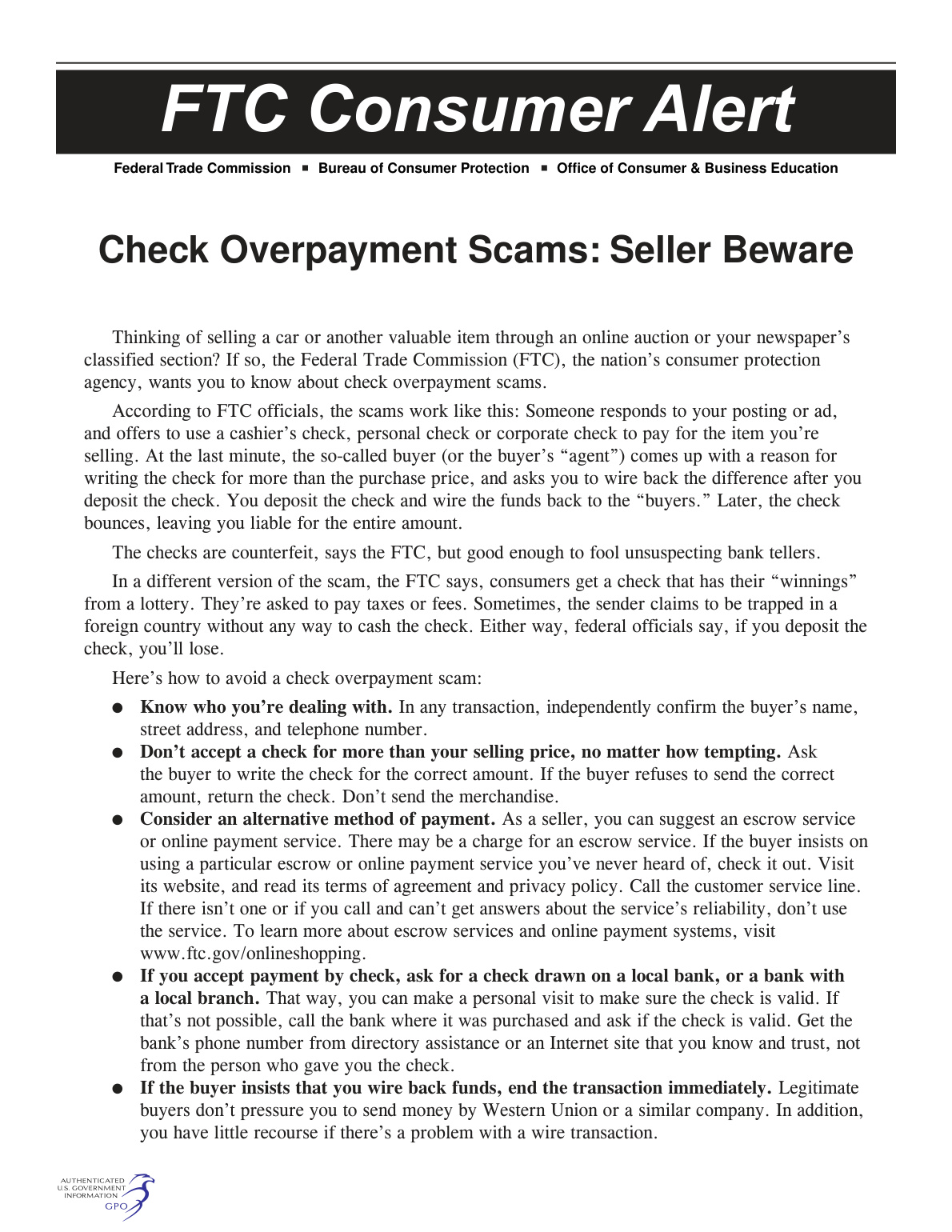
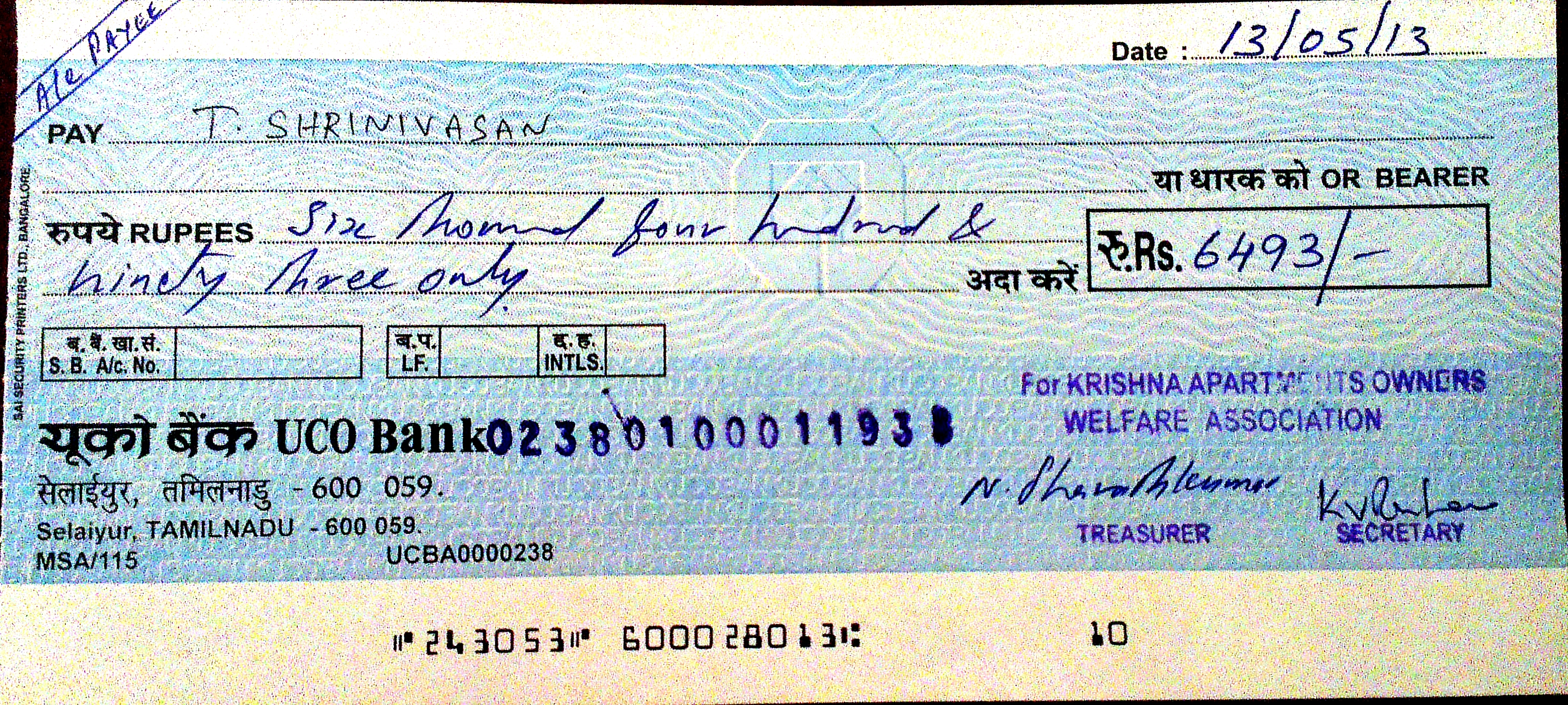
Refuse any cheque for more than the selling price. Do not use money from a new deposit to wire, buy gift cards or send cryptocurrency to a stranger. Prefer a local cash meet where the platform allows it, or a payment method you can verify in your own account before you hand anything over. Independently confirm names and numbers; never use contact details the buyer wrote on the cheque. If you already deposited a suspect cheque, tell your bank immediately and do not spend or forward any of those funds.
If this matches a listing you posted, start at Get help. Anyone who later offers to “recover” the bounced amount for an upfront fee belongs under Fake recovery.
This article is for general information only. It is not legal or financial advice. Details change. If you have lost money, contact your bank or card issuer and use the routes on the help pages.