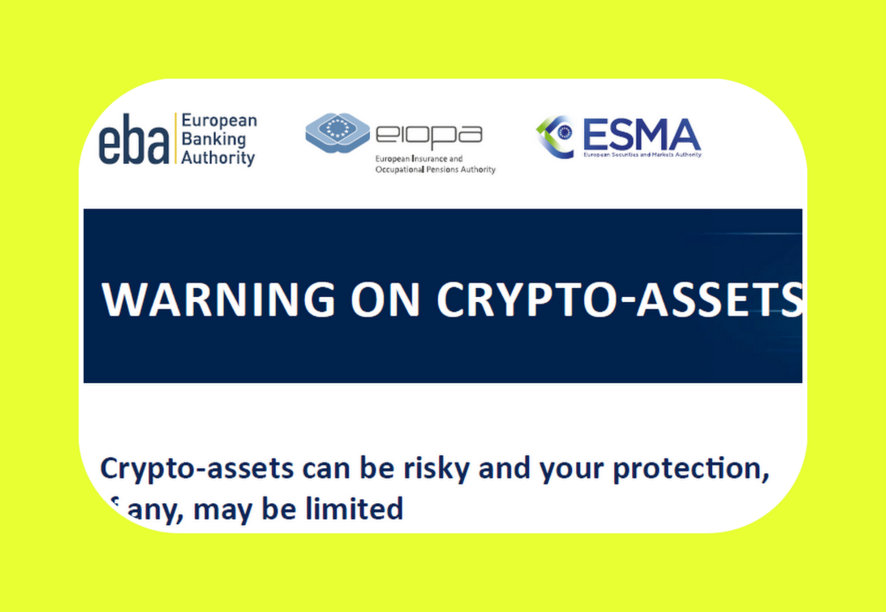
In October 2025 the European Supervisory Authorities — the European Banking Authority (EBA), the European Insurance and Occupational Pensions Authority (EIOPA) and the European Securities and Markets Authority (ESMA) — issued an updated joint warning on crypto-assets. The plain message: crypto can be risky, and legal protection, if any, may be limited, depending on the asset and the provider. The Markets in Crypto-Assets Regulation (MiCA) now covers certain tokens and crypto-asset services in the EU, but it is not a blanket safety net and it is not a compensation scheme for every loss.
Their consumer checklist is deliberately simple. Do you understand the risks you are taking? Is the firm actually authorised to offer that service in the EU — check ESMA’s register and national warnings, not a logo on a landing page? Are your devices and private keys under your control? They also flag volatility, liquidity squeezes, misleading social-media promotion, scams and hacks, and the thinner rights you may have with non-EU or non-MiCA providers. Some firms may still sit in national transitional regimes into mid-2026; during that window you may not enjoy full MiCA protections even if the brand sounds local.
How to use the warning in practice: verify authorisation before you deposit; treat influencer “research” as advertising until proven otherwise; keep keys offline where you can; and remember that a regulated wrapper on one service does not bless every token listed beside it. If something already went wrong, the help pages below beat any DM offering paid miracles.
MiCA is a rulebook. It is not a parachute.
If this pattern already cost you money, start at Get help. Anyone selling guaranteed restoration for an upfront crypto fee: Fake recovery.
This article is for general information only. It is not legal or financial advice. Details change. If you have lost money, contact your bank or card issuer and use the routes on the help pages.