Telegram loves a character. “Crypto Aunt” (t.me/aunt_crypto) is one of those: a polished avatar, light chat about Bitcoin and TON, a few jokes, and the sense that a sharp older woman is letting you into how markets really work. A quick look at the public channel shows tens of thousands of subscribers and an advertising contact in the bio — recently @net_admin_global. That handle is not a private diary. The same style of contact has appeared across unrelated promo channels. Older directory snapshots have listed different ad accounts for the same brand. None of that proves a court case. It does show a media product built to sell attention.
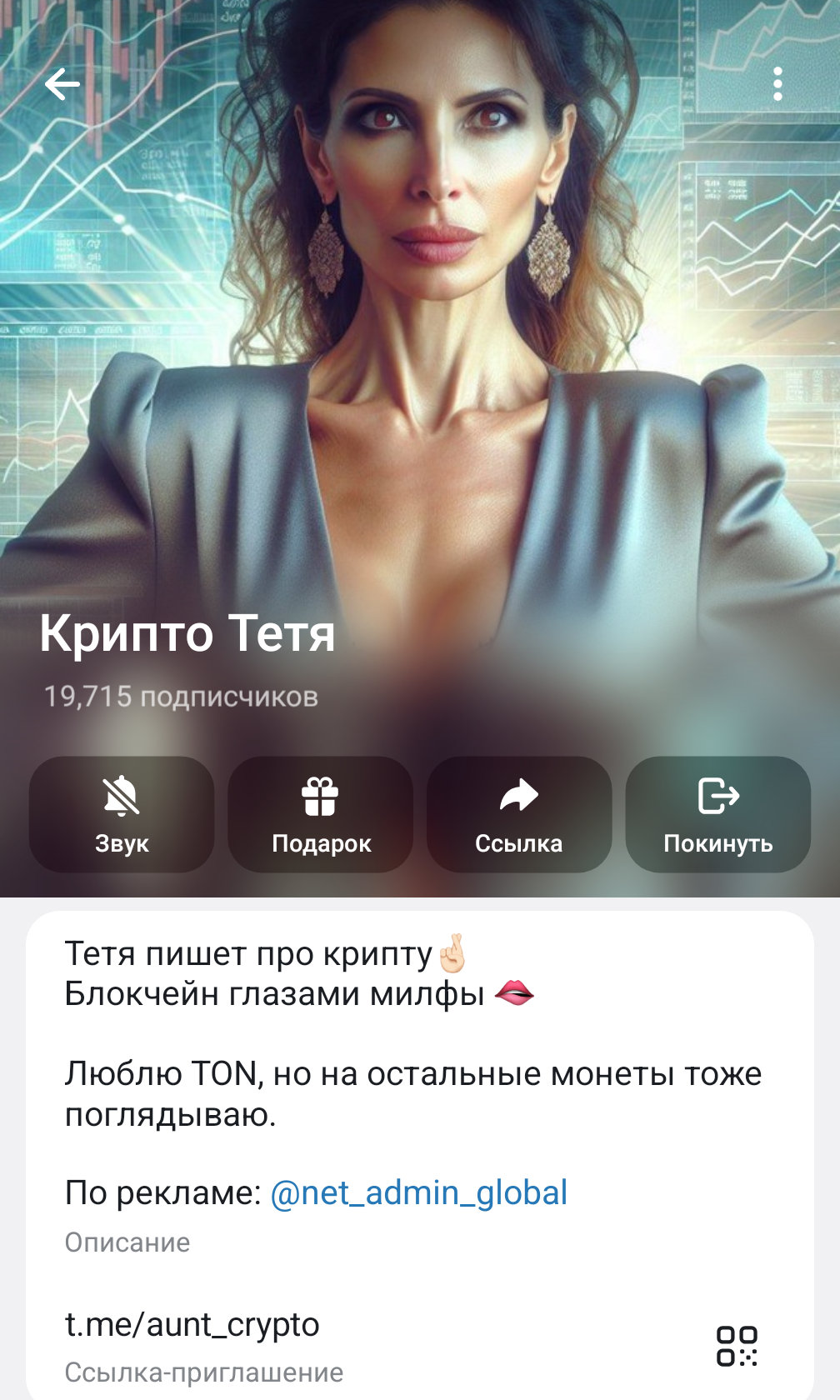
The softer posts matter. They build habit. Then, tucked between ordinary market chatter, you get a “I tried this myself” story that steers readers toward a named trader, a signals shop, an exchange referral or some other paid hop. Research snapshots of this channel’s archive include a warm introduction to a persona branded like “Bobrovskiy trades”, complete with shared-trading pitches, deposit floors and wild daily-income claims. Treat that as the point of the funnel, not a side note.
You do not need to argue with the aunt. Ask colder questions. Is there a real name, licence or audited track record — or only a generated face? Who earns when you click: the channel, an affiliate desk, or both? If the next step wants your deposit, seed phrase or “joint trading” wallet, stop. Real education does not require you to fund a stranger’s Telegram.
If this pattern matches something you have seen, start at Get help. If someone later offers paid “recovery” of a trader loss, read Fake recovery first.
This article is for general information only. It is not legal or financial advice. Details change. If you have lost money, contact your bank or card issuer and use the routes on the help pages.