A restored classic at half the market rate, or a tractor from a “dealer” you almost recognise, is built to short-circuit caution. Consumer agencies and the BBB describe the same arc on Marketplace, classified sites and search ads: polished photos, a seller abroad or “deployed,” and a rush to secure the unit with a deposit before someone else takes it.
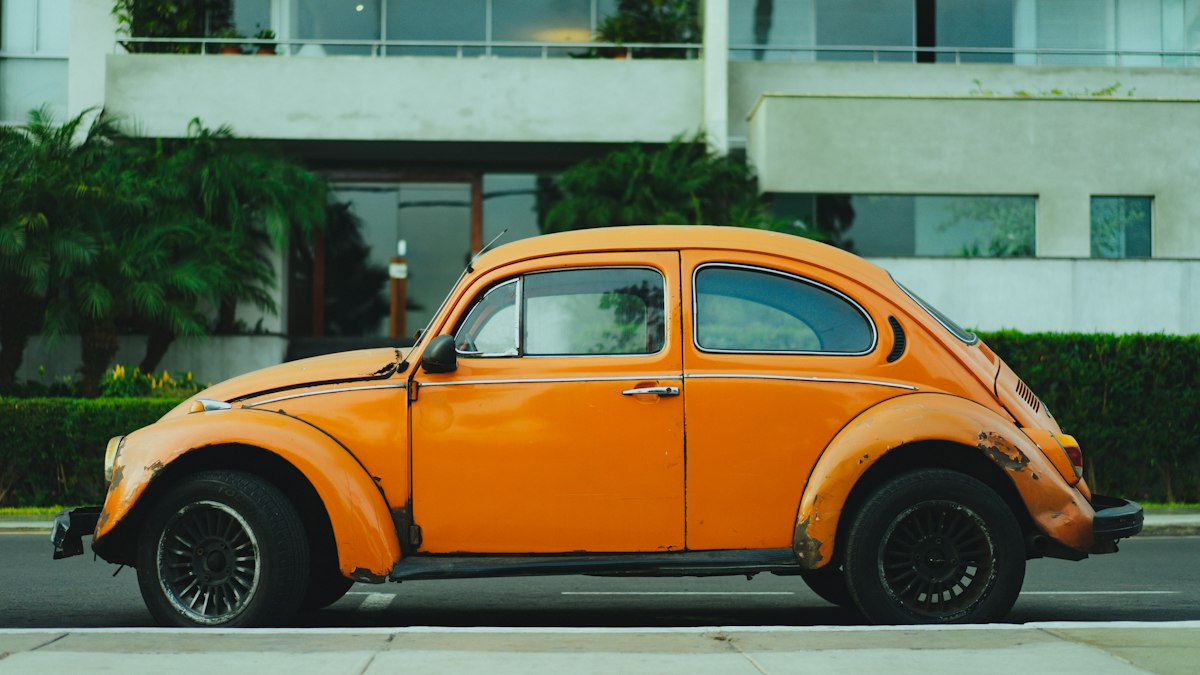
The payment ask is the tell. Escrow that is “Amazon” or “eBay” but is only a PDF invoice, a transport company that needs fees before you see the vehicle, or a wire to a newly minted limited company in another region — these are staples of used-vehicle and heavy-equipment fraud. The FTC has warned farmers about impersonation ads that borrow real equipment-business names, send contracts, take thousands by wire, then invent delivery problems. Tennessee’s attorney general has described lookalike classic-car and heavy-equipment sites that will even send videos — of stock that is not theirs.
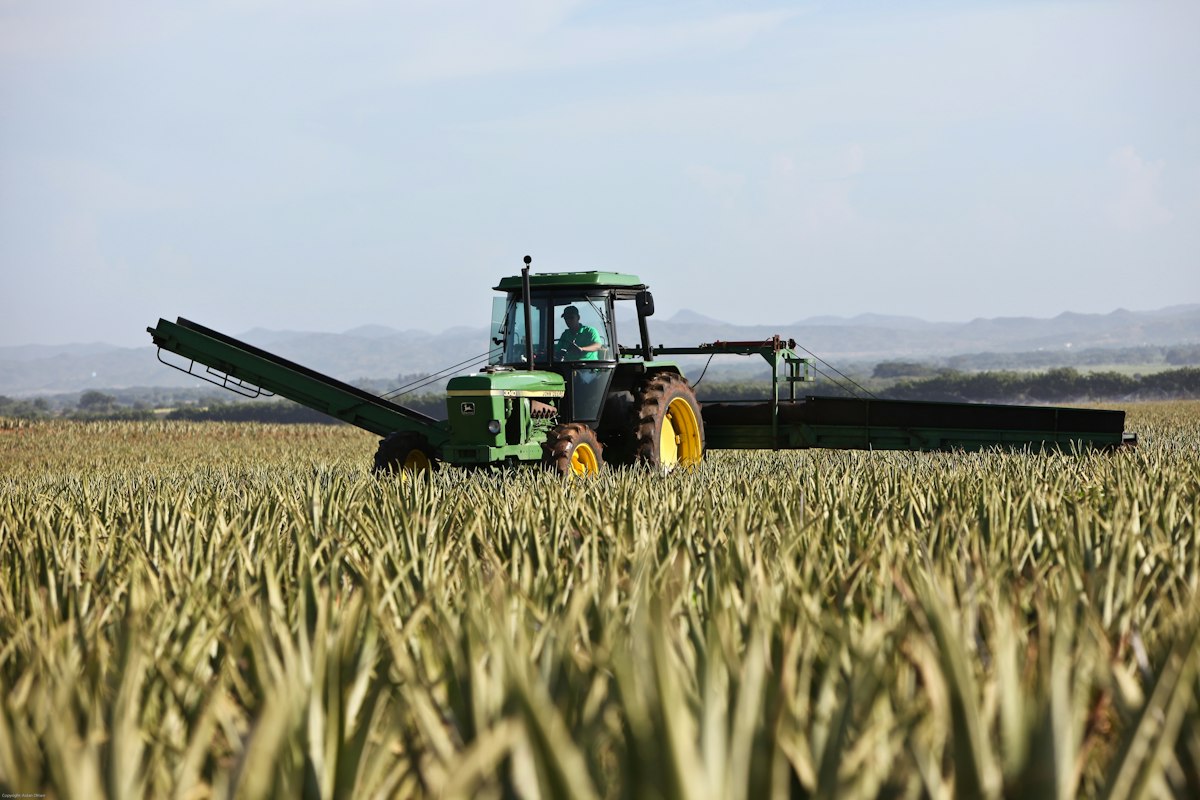
Do not buy a car or a combine you have not inspected. If you cannot visit, hire an independent inspector at the stated location and verify the business through official registers and unpaid search results, not the first sponsored link. Refuse wires, crypto, gift cards and payment apps for big-ticket kit from strangers. Real dealers take traceable methods and expect you to walk around the machine. A seller who cannot show a matching vehicle identification number (VIN) or serial plate in person is selling a story.
If a deposit already went to a listing that went silent, keep the ad, contract and wire receipt, tell your bank the same day, and use Get help. Ignore recovery pitches that want another upfront fee — Fake recovery.
This article is for general information only. It is not legal or financial advice. Details change. If you have lost money, contact your bank or card issuer and use the routes on the help pages.