The pitch is almost always the same. A clip or post shows someone recognisable announcing a short “matching event”: send any amount to a posted address and you will receive twice as much. A timer ticks. Comments claim it already worked. The only hard step is yours — moving coins you will not get back.
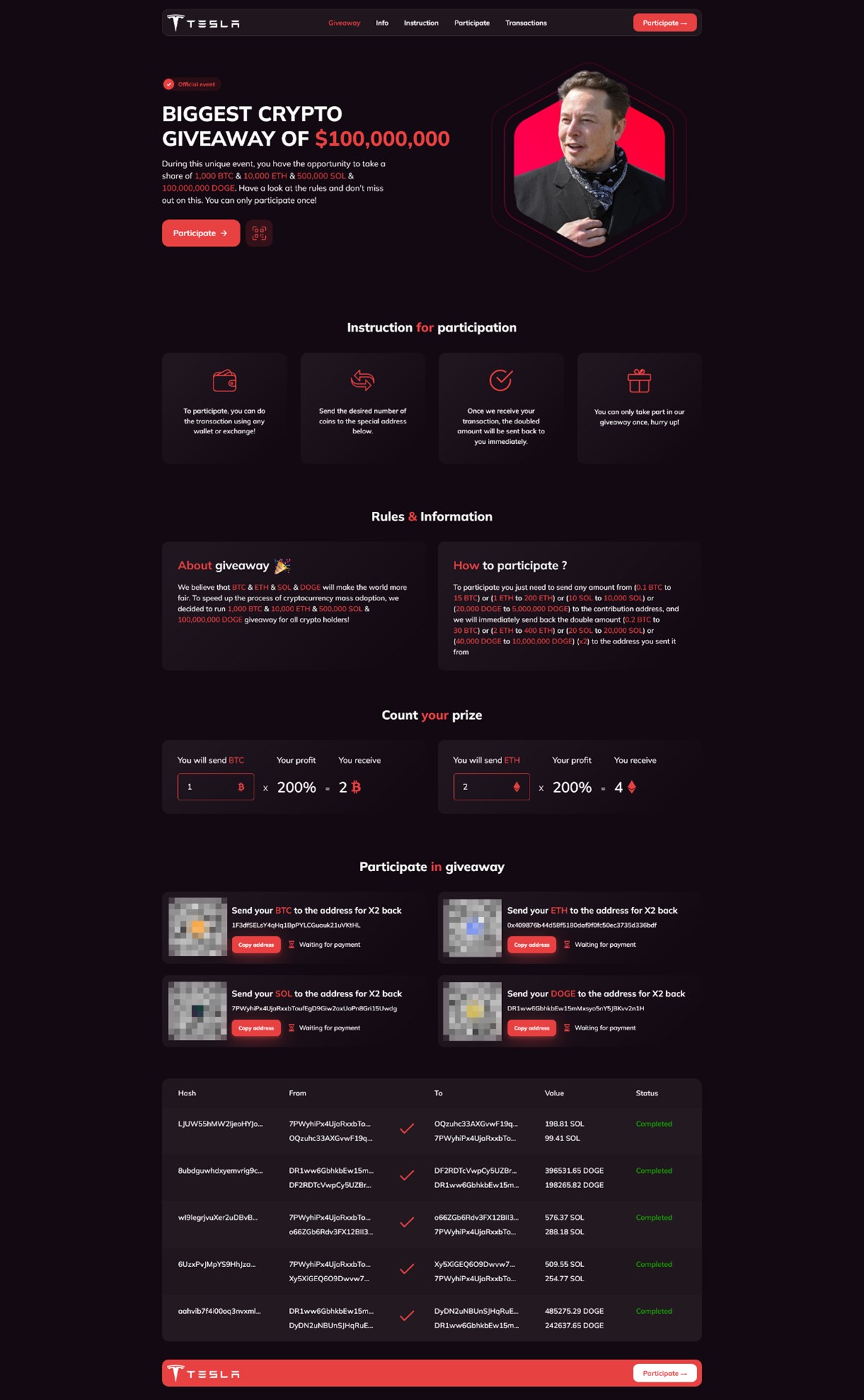
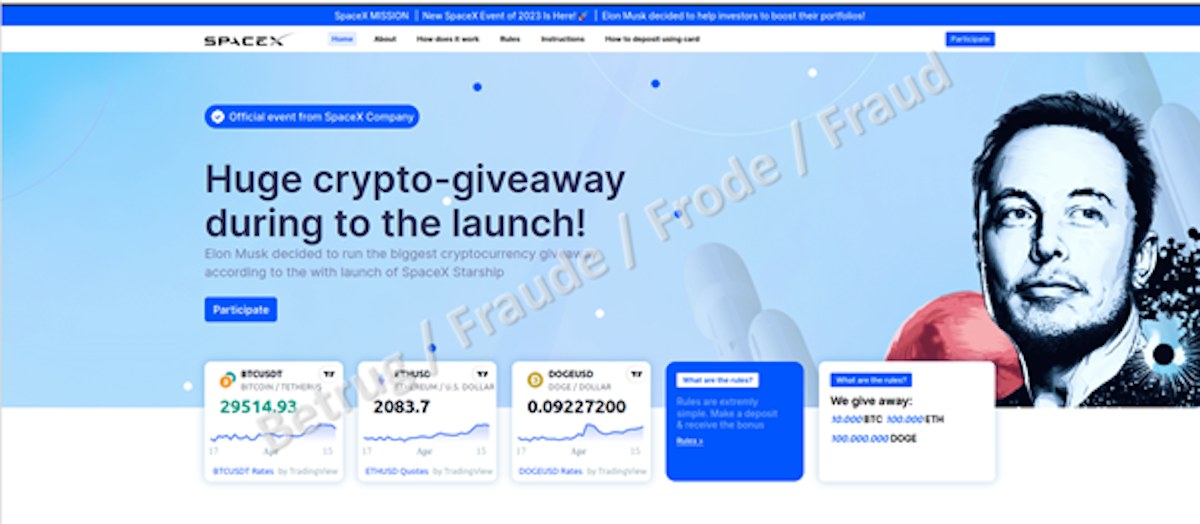
Researchers at the Digital Forensic Research Lab (DFRLab) documented a 2024 YouTube operation that steered viewers to a Tesla-branded landing page: send BTC, ETH or DOGE, get double back, with QR codes and a fake transaction ticker. Switzerland’s national cyber centre (NCSC) published a similar SpaceX/Starship giveaway site that used a deepfake Musk video and the same “deposit and receive a bonus” rules — and watermarked the evidence as fraud. Naming Tesla or SpaceX here describes the impersonation; it does not mean those companies ran the event.
Fraud operators like crypto for a boring reason: once the transaction confirms on a public chain, there is no card chargeback. The “celebrity” may be a deepfake, a stolen thumbnail, or a hijacked account; the wallet is the product. The FTC’s crypto scam guidance is blunt on this point — people pretending to be celebrities who will multiply what you send are scammers, and free-money promises are fake.
Urgency does the rest. A fourteen-minute countdown leaves little time to open the public figure’s real channel, reverse-search the footage, or notice that the “verified” badge sits on a fresh page. Bot chats and recycled winner screenshots fill the gap. None of that changes the economics: nobody famous is quietly refunding strangers at 2× for marketing goodwill.
A calm check takes longer than the timer wants. Confirm the event on the person’s official website or verified social account — not on a lookalike page. Paste the deposit address into a block explorer and search reports of that string. Walk away from any ask that is only a private wallet plus a double-your-coins promise. Channel “registration” badges and similar theatre do not make a raffle honest; we covered that separately in A registered Telegram channel is still not a trust badge.
For the wider map of ads, lives and deposit chats, see the hub AI celebrity crypto scams explained.
If a giveaway already cost you coins, start at Get help. Anyone offering paid “recovery” of the same loss: Fake recovery.
This article is for general information only. It is not legal or financial advice. Details change. If you have lost money, contact your bank or card issuer and use the routes on the help pages.