The story starts with urgency, not a price chart. Someone claiming to be from your bank, Amazon, a tax office or “fraud investigations” says your account is tied to money laundering, or that thieves are already inside. They stay on the line while you drive to a cash machine. Then they text a map pin and a QR code for a Bitcoin ATM (BTM) in a shop or petrol station. Feed the notes, scan the code, and the machine credits a wallet you do not control. The Federal Trade Commission (FTC) spelled this out in 2024 consumer alerts and a data spotlight: reported losses involving Bitcoin ATMs jumped sharply, with many cases starting as government or business impersonation and tech-support panic.
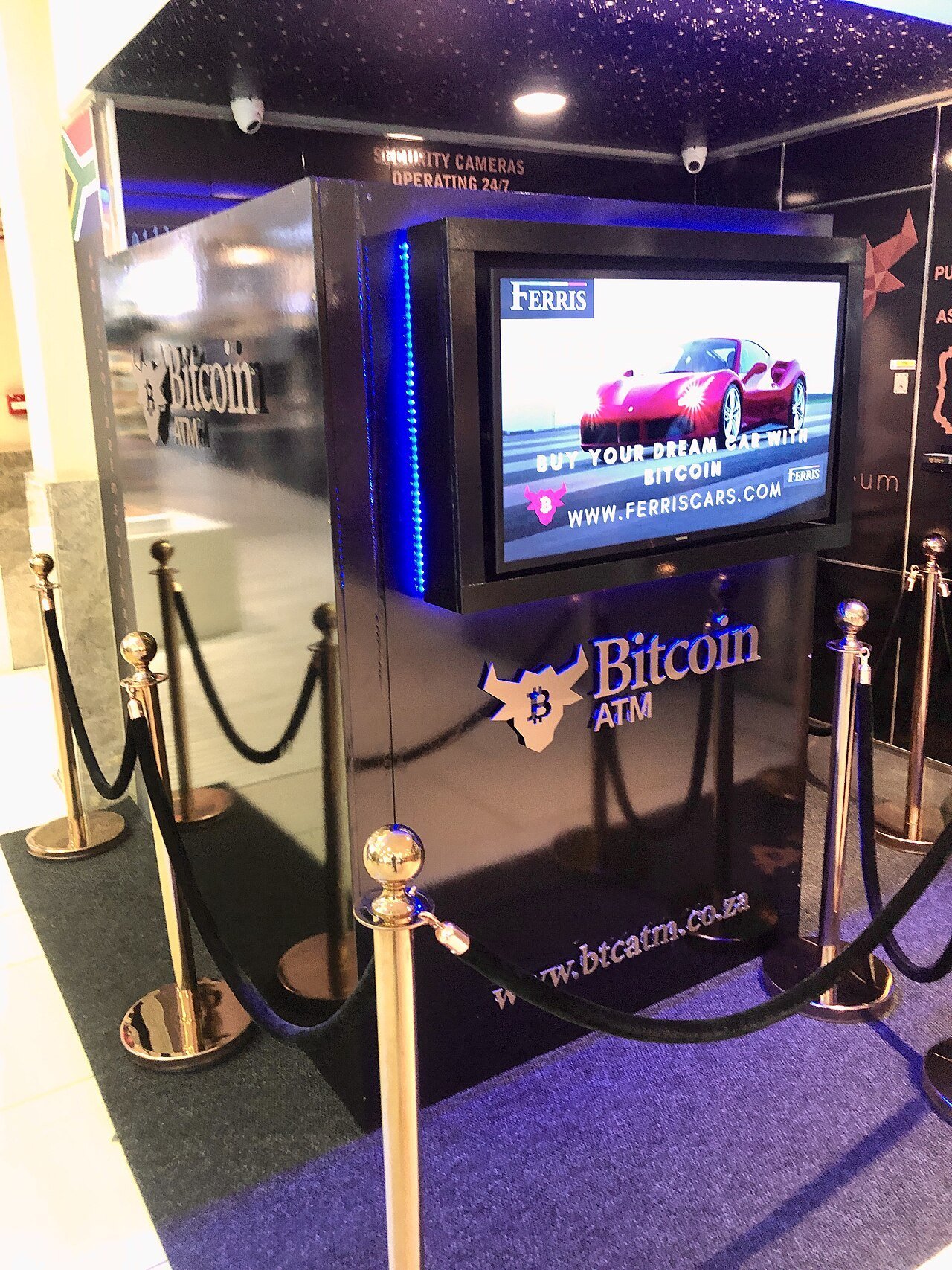
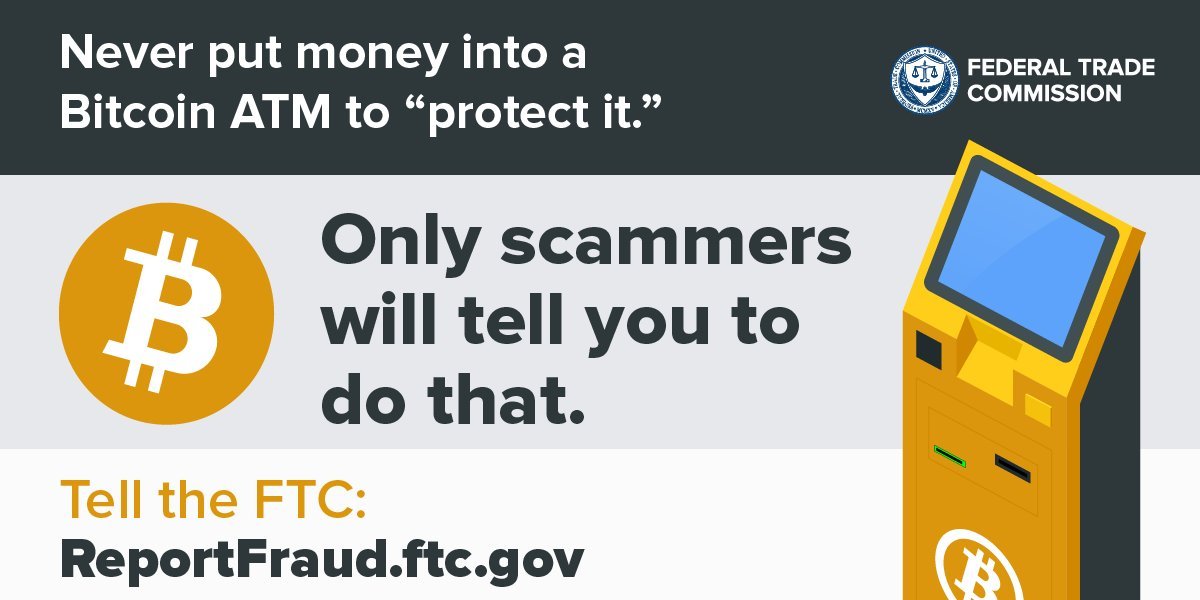
There is no government “Bitcoin locker,” no secret vault that holds your savings safer than your bank, and no legitimate agent who needs you to convert cash at a kiosk while they coach you by phone. The FTC’s advice is blunt: never withdraw cash because of an unexpected call, and never believe anyone who says a BTM will fix a problem or protect your money. Real banks and agencies will not ask for that.
If you are already at a machine, stop. Hang up. Call the bank back on the number printed on your card or statement. If cash already went into a BTM, photograph the receipt, the machine ID and the QR if it is still on your phone, then report through the bank and the channels on Get help. Crypto deposits of this kind are usually irreversible; anyone selling a paid “trace and recover” service after the fact is often another scam — Fake recovery.
This article is for general information only. It is not legal or financial advice. Details change. If you have lost money, contact your bank or card issuer and use the routes on the help pages.