The pitch arrives as a short video or “news” clip: a recognisable public figure swears an artificial intelligence (AI) trading bot is making them absurd monthly returns, then points you to a registration link. Regulators including Australia’s ASIC, New York’s attorney general and the US Commodity Futures Trading Commission (CFTC) have warned about this pattern — synthetic or scraped footage, social ads, and platforms that exist mainly to take deposits. The celebrity is usually not involved; the mouth shapes and audio are the tell if you slow the clip down, but many people never get that far.

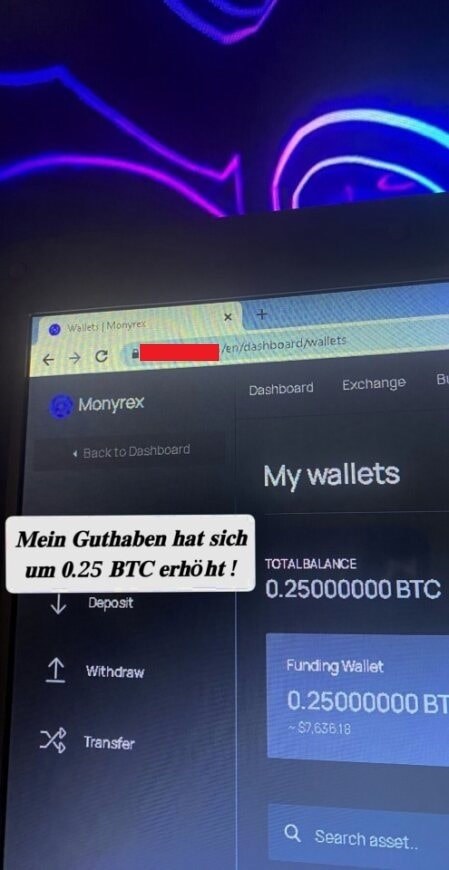
After you leave a phone number or email, a “broker” or “account manager” often moves you into a private chat. You fund a dashboard that climbs on schedule. Early, small withdrawals sometimes work — that is social proof, not a regulated custody arrangement. When you try to take out a meaningful balance, the story shifts: tax, anti-money-laundering (AML) clearance, unlock fees, or a remote-access app “so we can set the bot for you”. Norton’s TikTok scam research shows the same theatre in the wild: a video of a “wallet” that just jumped by 0.25 BTC, then a push to withdraw — after you have already funded the operator’s site. Extra payments rarely free anything. The CFTC’s plain line is worth keeping: AI does not turn a stranger’s bot into a money machine.
Before you send a card payment or crypto, search the platform name with “scam” and “warning”, check whether any famous person has denied the ad on their own verified channels, and treat guaranteed win-rates as fiction. If you already deposited, stop topping up, save every screen and chat, contact your bank or exchange where the money left, and use the routes on Get help. Cold outreach offering to “recover” the painted balance for a fee is a second scam — see Fake recovery. Similar “set and forget” deposit machines also show up in AI mining pitches; the costume changes, the cashflow story does not.
This article is for general information only. It is not legal or financial advice. Details change. If you have lost money, contact your bank or card issuer and use the routes on the help pages.