The offer looked simple: send one unit of Bitcoin (BTC) or Tether (USDT), get two back from a famous account, livestream, or “verified” lookalike. You transferred. Nothing came back. Crypto transfers are usually final once they confirm, which is why consumer agencies stress speed on reporting rather than hoping the chain will reverse itself. Blame is useless here; a clean evidence pack and the right contacts are not.
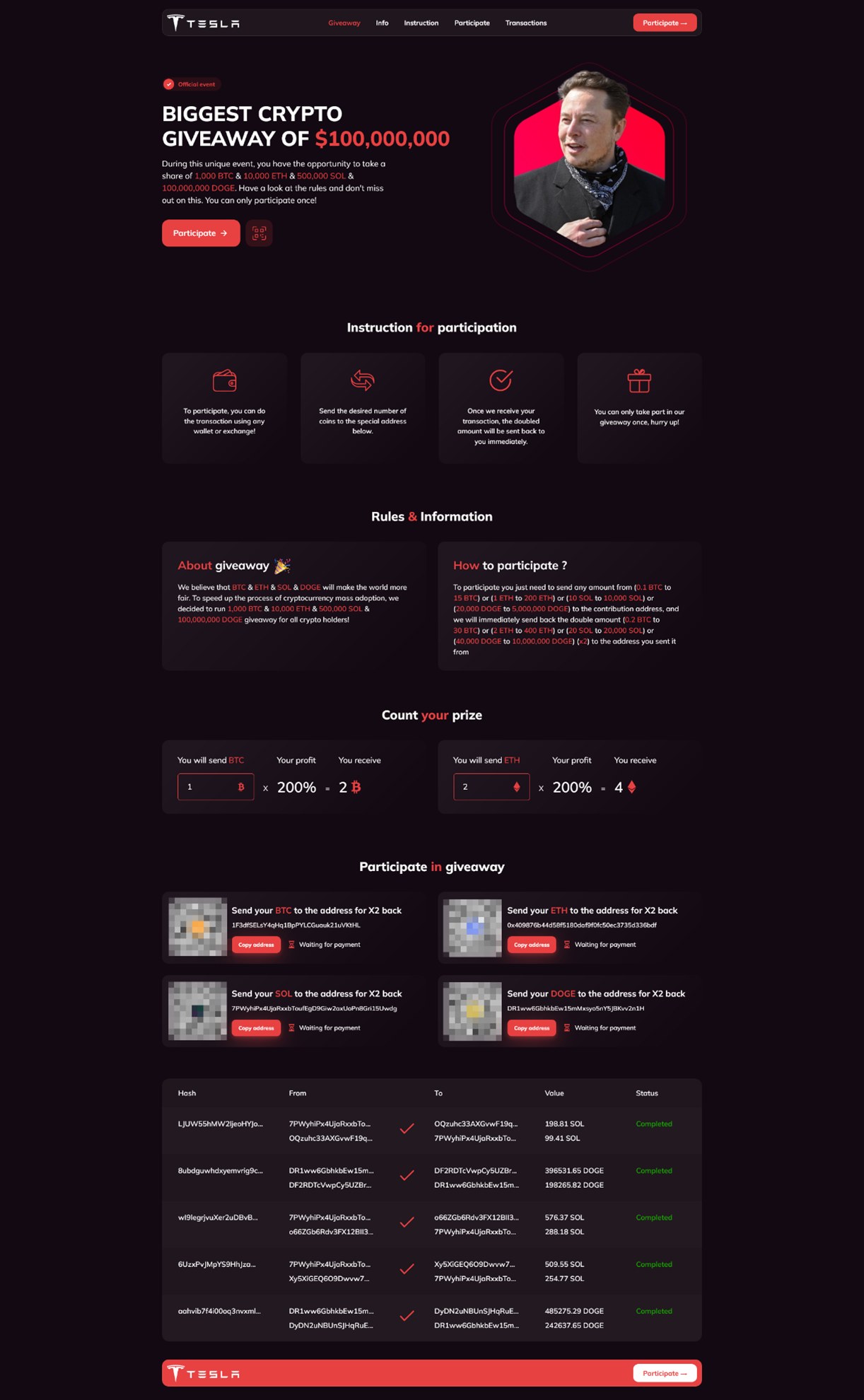
First, stop all contact with anyone pushing more deposits, “unlock fees”, or seed phrases. Save the transaction identifier (txid or hash), destination address, asset, amount, date and time, screenshots of the ad or chat, and any exchange or cash-machine receipt — including frames of the giveaway site itself, like the deposit QR blocks researchers archived from Tesla-impersonation portals. Contact the exchange or ATM operator you used as soon as you can and say the transfer was to a scam; ask what freeze or tracing options they still have. If fiat left a bank or card first, tell that issuer too. Then report through the country routes on Get help — include the chain details authorities ask for; if you lack a perfect hash, still report what you have.
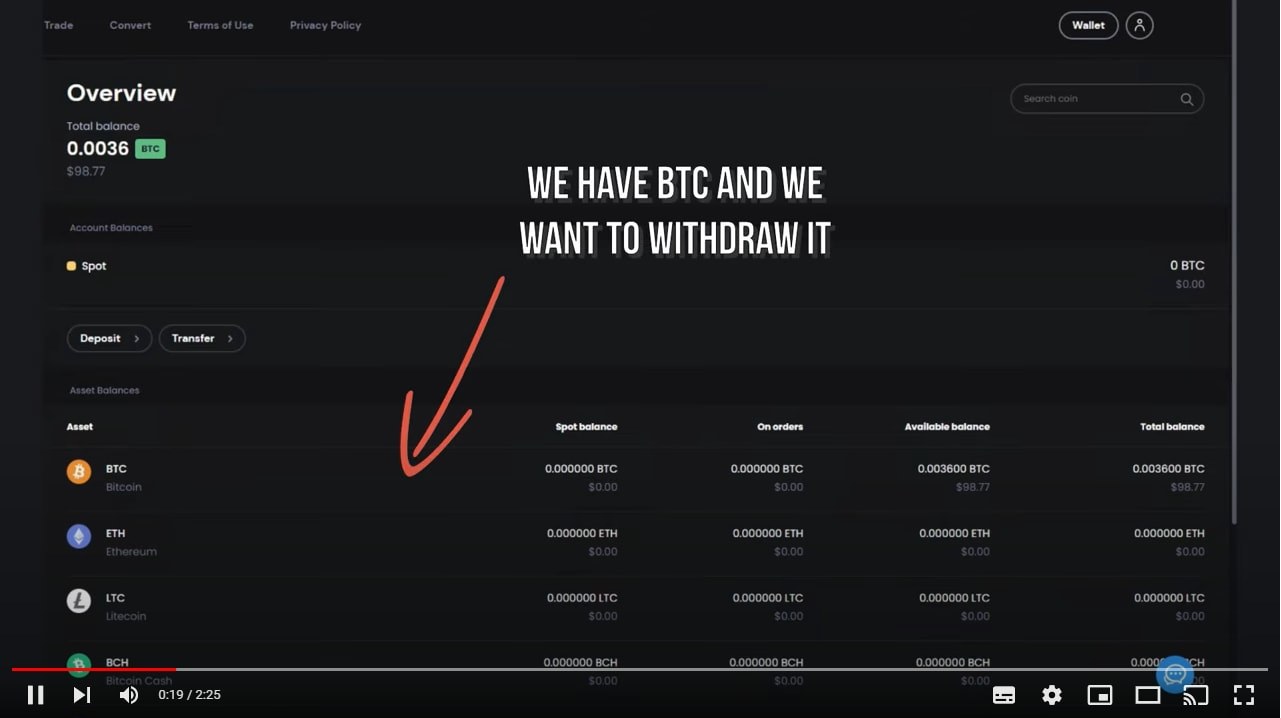
If a follow-up video or chat now shows a rising balance and begs you to “just withdraw”, treat that as the second act of the same play — not proof your coins are waiting. What you should not do is pay a stranger who messages you offering to recover the coins for an upfront fee, remote-access “help”, or a new wallet “escrow”. The US Federal Trade Commission (FTC) and other agencies have warned that recovery pitches after crypto losses are often a second fraud. That pattern is exactly why we keep Fake recovery separate from genuine help pages. We do not publish phone numbers here; use the official links on the help pages for your country.
If this matches what happened to you, start at Get help and treat cold “we can get it back” offers with the caution described on Fake recovery.
This article is for general information only. It is not legal or financial advice. Details change. If you have lost money, contact your bank or card issuer and use the routes on the help pages.